

Gluten-free bread is often frozen to lock in moisture, texture, and freshness.
If you have ever wondered why is gluten free bread frozen, you are not alone. As a food scientist and home baker, I have tested dozens of loaves, from artisan sorghum blends to rice-based sandwich bread.
This guide explains the science, the industry reasons, and the best at-home methods. Keep reading for clear answers to why is gluten free bread frozen and how to make every slice taste bakery-fresh.
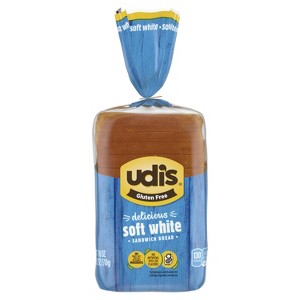
What Makes Gluten-Free Bread Different
Gluten-free bread does not have the stretchy protein network that traps gas, holds water, and gives wheat bread its structure. Bakers use starches, gums, psyllium, and eggs to build a stable crumb, but it is more fragile. The crumb loses moisture faster, and the texture can turn crumbly in a day or two at room temperature. Understanding why is gluten free bread frozen starts with its formula.
Moisture is the big factor. Gluten-free loaves often have higher water and starch levels. This can speed up staling and also raise mold risk if stored warm and humid. This is one reason why is gluten free bread frozen by bakeries: it pauses those changes so the bread reaches you at its best.
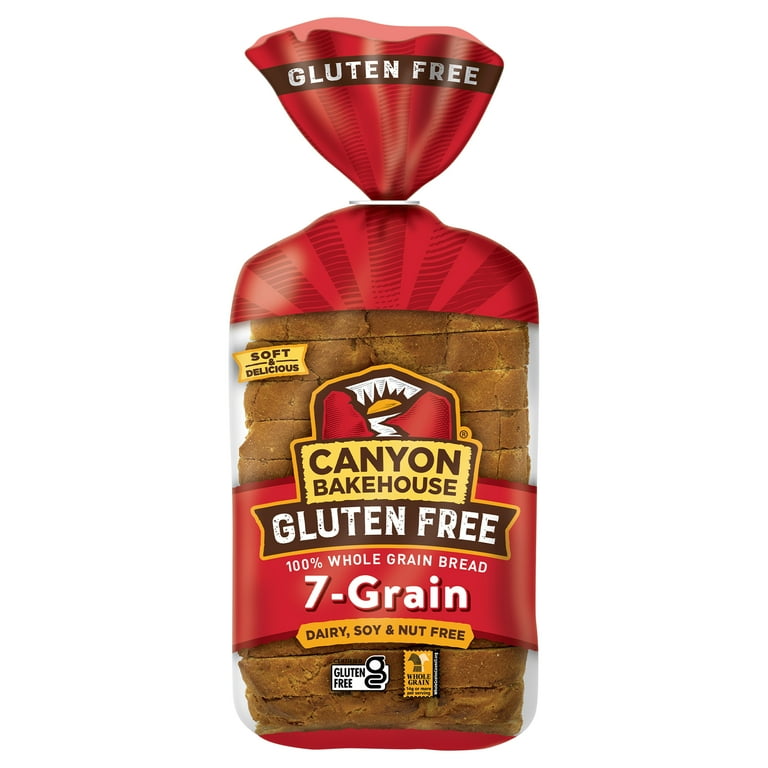
The Science Behind Freezing Gluten-Free Bread
Bread stales because of starch retrogradation. In simple terms, gelatinized starches realign and push out water. That makes slices feel dry and firm. These reactions are fastest at fridge temperatures, which is why the refrigerator makes bread go stale faster.
Freezing stops that process. Low temperatures slow enzyme activity, halt mold growth, and hold water in place. Ice crystals can damage structure if the loaf is not well wrapped, but careful packaging controls this.
From a science view, why is gluten free bread frozen? To stop staling at its source and keep the crumb soft. These effects explain why is gluten free bread frozen soon after baking by many brands.
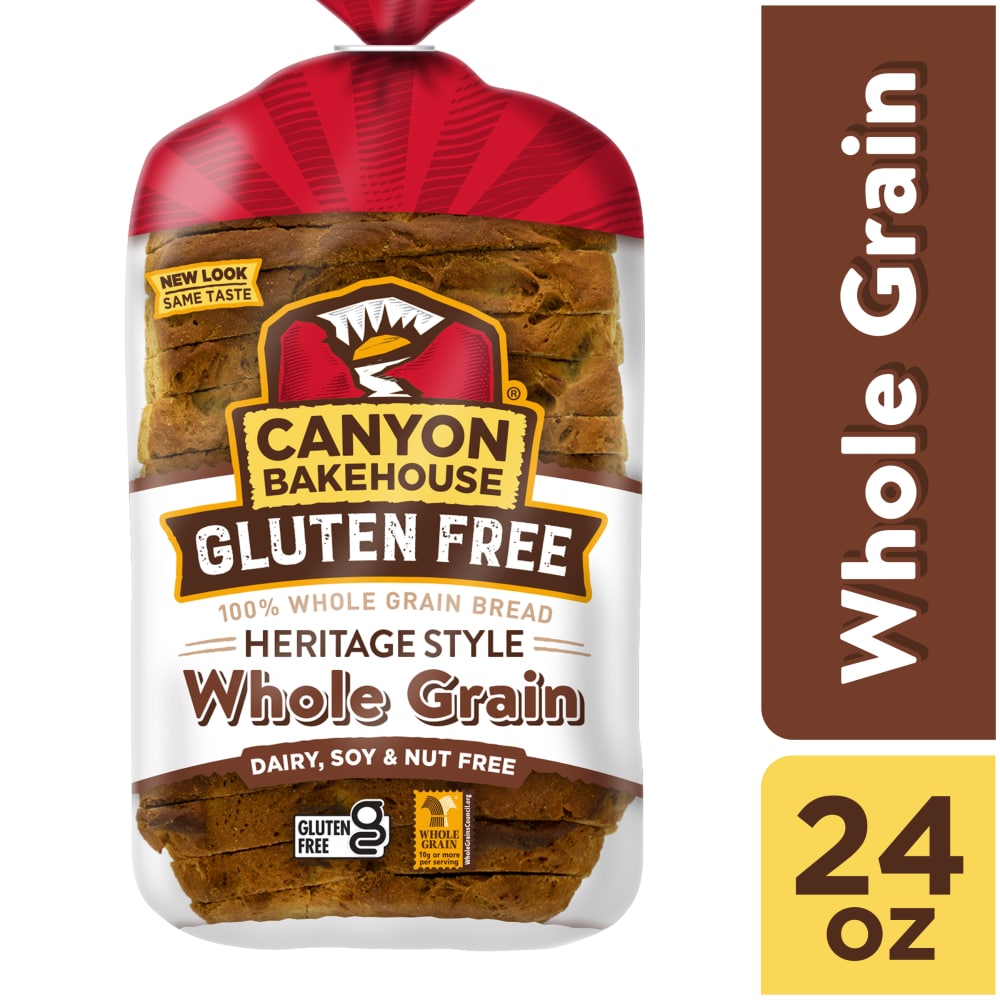
Commercial Reasons Manufacturers Freeze Gluten-Free Bread
The gluten-free market is smaller and more spread out. Fresh distribution to every store is hard and costly. Freezing extends shelf life from days to months, which reduces waste and returns.
Many customers want clean labels and fewer preservatives. Freezing is a natural way to keep quality without extra additives.
To retailers asking why is gluten free bread frozen, logistics and freshness are the short answers. For brands, why is gluten free bread frozen helps maintain consistency across long supply chains and varying climates.

How To Store, Thaw, And Refresh Gluten-Free Bread At Home
At home, the same logic behind why is gluten free bread frozen applies. If you will not finish a loaf in two days, freeze it. This keeps flavor and texture alive.
Follow these steps for best results:
- Slice before freezing so you can pull only what you need.
- Wrap tightly in plastic, then place in a zip bag or airtight container.
- Press out extra air to limit ice crystals.
- Label and date the package for easy rotation.
Thawing and refreshing tips:
- For toast, go straight from freezer to toaster.
- For soft slices, thaw at room temperature in the bag for 30 to 60 minutes.
- For a whole loaf, warm in a 300°F oven for 8 to 12 minutes to revive the crumb.
- For a quick fix, microwave one slice with a damp paper towel for 10 to 15 seconds.
Avoid these pitfalls:
- Do not refrigerate; it speeds up staling.
- Do not refreeze the same slice; texture will suffer.
- Do not leave the open loaf on the counter for days.
If you wonder why is gluten free bread frozen instead of refrigerated, it is because freezing stops staling while the fridge speeds it up.
In my test kitchen, I slice and freeze within two hours of baking. Two weeks later, the toast still tastes like day one.
Common Myths And Facts
Myth: Frozen gluten-free bread is stale.
Fact: Freezing holds freshness in place. When thawed well, it can taste like day one. A myth claims freezing ruins bread; but why is gluten free bread frozen is to protect it, not harm it.
Myth: Preservatives are always needed.
Fact: Clean-label loaves stay fresh when frozen. Many bakeries choose freezing to avoid additives.
Myth: The fridge is best for bread.
Fact: Research shows staling peaks in the fridge zone. Your freezer is safer for texture.
Myth: Freezing kills nutrients.
Fact: Freezing is gentle on nutrients, far more than heat or long room storage.
Myth: All gluten-free loaves behave the same.
Fact: Ingredients vary. Psyllium, eggs, fats, and flours change how bread freezes and thaws.

Buying Guide And Kitchen Tips
If you ask why is gluten free bread frozen at the store, check the label for storage directions. Some brands parbake and then freeze. Others bake fully and freeze fast to lock in moisture.
What to look for:
- Strong binders such as psyllium husk or egg for a better crumb.
- Whole-grain blends for taste and fiber.
- Tight, sealed packaging with minimal air pockets.
- A clear date code and instructions for thawing.
Smart kitchen habits:
- Keep a small counter stash for two days; freeze the rest.
- Freeze in half-loaf packs for easy access.
- Rotate older slices to the front for less waste.
I learned the hard way that leaving a loaf on the counter for four days yields dry slices. After switching to pre-sliced freezing, waste dropped to zero. If someone asks why is gluten free bread frozen, show them your soft toast from a two-week-old loaf.
Sustainability And Waste Reduction
Food waste has a large carbon cost. Freezing helps you buy once and use every slice. For many households, the energy used to freeze is lower than the emissions from tossing stale bread.
Freezing also supports smaller gluten-free bakeries. It lets them ship farther without spoilage. Another angle on why is gluten free bread frozen is waste reduction across the whole supply chain, from bakery to breakfast table.
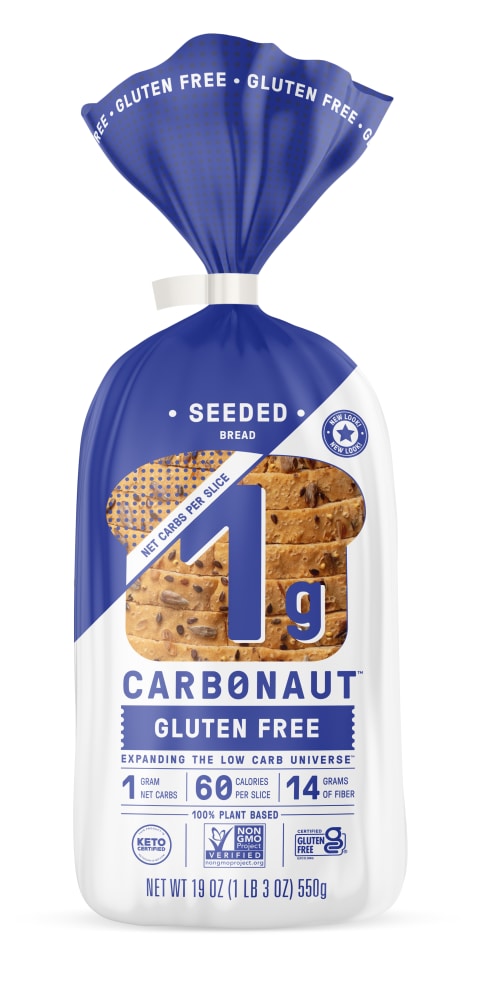
Frequently Asked Questions of why is gluten free bread frozen
Why do stores keep gluten-free bread in the freezer section?
The freezer locks in texture and slows mold growth without heavy preservatives. It helps stores keep quality steady across long shipping and storage times.
Is it safe to eat gluten-free bread straight from the freezer?
Yes, if you toast or warm it. For soft sandwiches, let slices thaw in the bag to keep moisture inside.
Does freezing change the taste or nutrition?
Proper freezing preserves taste and nutrients well. Poor wrapping can cause freezer burn, which affects flavor and mouthfeel.
How long does gluten-free bread last in the freezer?
Most loaves keep quality for 2 to 3 months when tightly wrapped. Use sooner for the best aroma and crumb.
Should I refrigerate gluten-free bread instead of freezing?
No. Refrigeration speeds staling because of starch retrogradation. Freeze what you will not eat within two days.
What is the best way to thaw gluten-free bread for sandwiches?
Thaw slices at room temperature inside their bag for 30 to 60 minutes. This keeps moisture from escaping and prevents a dry crumb.
Conclusion
Freezing is a quality tool, not a flaw. It keeps gluten-free bread moist, soft, and safe, from the bakery line to your breadbox. Now you know exactly why is gluten free bread frozen, how to store it, and how to revive each slice.
Put these steps to work this week. Buy a good loaf, slice it, and freeze it right. If this guide helped, subscribe for more practical kitchen science or share your own tips in the comments.