

High-protein, grain-free kibble with salmon and peas for gentle, lean nutrition.
If you are exploring wild and free salmon and pea dog food, you want clear, expert advice. I help pet owners choose diets that are safe, tasty, and balanced.
In this guide, I break down the facts, share real results, and show how to use wild and free salmon and pea dog food with confidence.

What Is Wild and Free Salmon and Pea Dog Food?
Wild and free salmon and pea dog food is a grain-free recipe that uses salmon as the main animal protein and peas as the main carb source.
It often includes salmon meal, pea protein, lentils, and added vitamins and minerals. Many brands also add omega-3s for skin, coat, and joint support.
This style of food aims for a clean label and a simple ingredient list. It suits dogs that do not do well with chicken or wheat. It can work for active dogs that need steady energy and a protein-first diet.

Nutritional Benefits and How It Supports Dogs
Salmon brings high-quality protein and rich omega-3s, like EPA and DHA. These support skin, coat, brain, and joint health. Peas add fiber, plant protein, and key micronutrients.
Most wild and free salmon and pea dog food options land around 25 to 32 percent protein and 12 to 18 percent fat. Calories often range from 340 to 420 kcal per cup. This balance helps maintain lean muscle and steady weight.
For dogs with itchy skin or dull coats, omega-3s can help reduce dryness. Many dogs also like the fish aroma, which can improve appetite. This can be useful for picky eaters or seniors.
Potential Concerns and How to Reduce Risk
Some grain-free diets that rely on peas and lentils have been reviewed for a link with heart issues in some dogs. Research has not proved a single cause.
Still, it is wise to be careful. Look for wild and free salmon and pea dog food that includes taurine and uses a diverse protein and carb mix.
Rotate foods every few months to widen nutrient intake. You can mix in a small portion of a grain-inclusive formula if your vet agrees.
Keep regular vet checkups, and ask about a taurine test if you have a large breed or a dog with heart risk.
Watch for loose stool or gas, as peas can bother some dogs. If that happens, reduce the amount for a week, then try again. If signs persist, consider a different base carb, like oats or rice.
How to Choose a High-Quality Salmon and Pea Formula
Use this checklist when buying wild and free salmon and pea dog food:
- Look for an AAFCO statement for the correct life stage.
- Choose foods with named fish first, like salmon or salmon meal.
- Prefer brands that publish omega-3 levels and full nutrient data.
- Check for added taurine and methionine to support heart health.
- Review calcium and phosphorus for puppies, especially large breeds.
- Avoid vague terms like fish meal without a source.
- Check company quality control, batch testing, and recall history.
If your dog has food rules from your vet, match the nutrient profile to those needs. Keep a small notebook of your dog’s response to each food. This helps you find the best match faster.

Transition Plan, Serving Sizes, and Real-Life Tips
Switch to wild and free salmon and pea dog food over 7 to 10 days. Start with 25 percent new food, then raise the new food by 25 percent every two to three days. Slow down if you see soft stool.
Feed by calories, not cups. Use the bag’s kcal per cup to set a daily target. Weigh meals with a scale for better control. Add water to the kibble to improve aroma and hydration.
From my work with rescue fosters, I have seen steady results. A husky mix with a dry coat improved in three weeks on wild and free salmon and pea dog food. A border collie had gas at first, so I mixed in 20 percent oat-based kibble. The stool firmed up within five days, and he stayed on the blend.
Who Should Feed This Diet?
Wild and free salmon and pea dog food can fit:
- Dogs with chicken or beef sensitivities.
- Dogs that need a high-protein, moderate-fat diet.
- Picky eaters who prefer fish taste.
- Dogs that need omega-3 support for skin, coat, or joints.
Use care with dogs that have fish allergies or chronic GI issues. Large breed puppies need the right calcium and energy balance. Check labels or ask your vet if the formula suits growth.
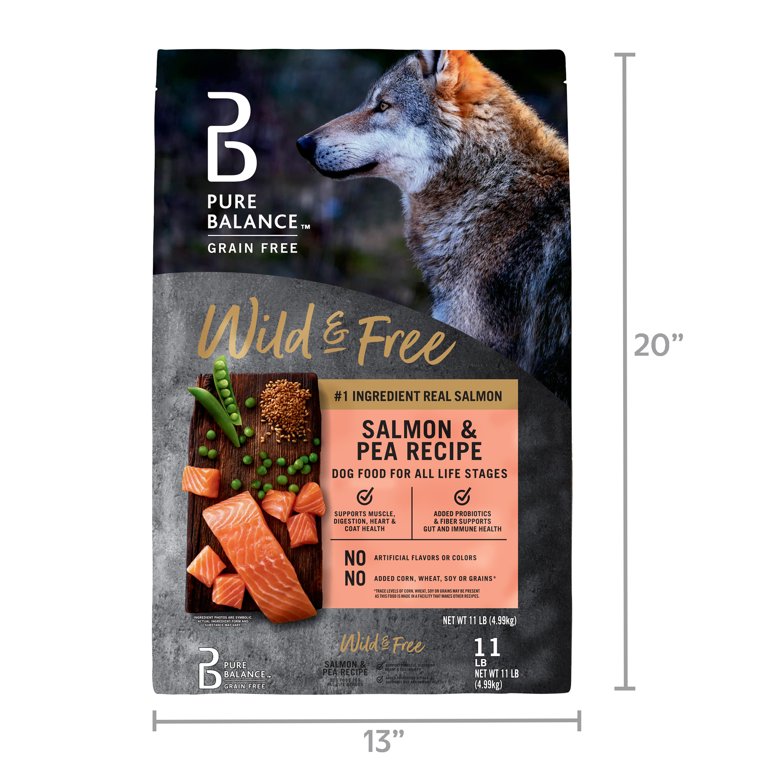
Reading the Label: What to Look For and What to Avoid
Read the ingredient list from top to bottom. Named fish should be first. Extra pea fractions in a row can “split” ingredients to make peas seem smaller. Be wary if you see many pea parts.
Check the guaranteed analysis. Note protein, fat, fiber, and moisture. Confirm calorie density in kcal per cup so you can feed with precision. Look for transparent lot codes and a phone number for nutrition questions.
Brands that share full nutrient profiles show higher care. This includes amino acids, omega-3 and omega-6 levels, and key minerals. That level of detail helps you compare options with confidence.

Cost, Value, and Where It Fits in Your Rotation
Wild and free salmon and pea dog food ranges from mid to premium in price. To compare value, look at cost per 1,000 kcal, not just cost per pound. A higher calorie food can be cheaper to feed.
You can rotate it with a grain-inclusive formula for variety. Add simple toppers like sardines in water, steamed pumpkin, or kefir in small amounts. If you cook at home, work with a vet nutritionist to avoid gaps.
I like this food as one part of a yearly rotation. It helps guard against nutrient gaps and keeps dogs engaged at mealtime. Many owners also report better stool and less itch with steady use.
Frequently Asked Questions of wild and free salmon and pea dog food
Is wild and free salmon and pea dog food good for sensitive skin?
It can help due to omega-3s from salmon. Many dogs show a shinier coat and less itching after a few weeks.
Can puppies eat wild and free salmon and pea dog food?
Some can, but the food must meet puppy AAFCO standards. Large breed puppies need special calcium and calorie control.
Will peas cause gas or loose stool?
They can for some dogs. Introduce the food slowly and reduce the amount if stool softens, then try again.
Is there a heart risk with grain-free salmon and pea diets?
Research is ongoing. Choose formulas with added taurine, rotate diets, and talk with your vet if you have concerns.
How long before I see results in coat or energy?
You may see coat changes in two to four weeks. Energy and stool quality often improve within one to two weeks.
Can I mix wild and free salmon and pea dog food with wet food?
Yes. Match total calories to your dog’s needs, and aim for consistent portions each day.
How should I store this kibble?
Keep it in the original bag inside an airtight bin. Store in a cool, dry place and use within 4 to 6 weeks of opening.
Conclusion
Wild and free salmon and pea dog food offers a clean, fish-first option with steady energy and strong omega-3 support. It can work well for dogs with chicken issues, picky eaters, and pets that need coat and skin care.
With smart label checks, a slow transition, and diet rotation, you can use it safely and well. Choose a trusted brand, watch your dog’s stool, skin, and energy, and keep notes.
If the fit looks good, stick with it, or adjust the blend with your vet’s help. Ready to go deeper? Explore more guides, compare labels side by side, and share your dog’s results in the comments.
