

Grain free salmon sweet potato dog food often helps skin, digestion, and picky eaters.
I have helped many pet parents choose diets that fit real needs. In this guide, I break down grain free salmon sweet potato dog food with clear facts, practical tips,
and lessons from the field. You will learn how it works, when to use it, how to read labels, and how to feed it with confidence.
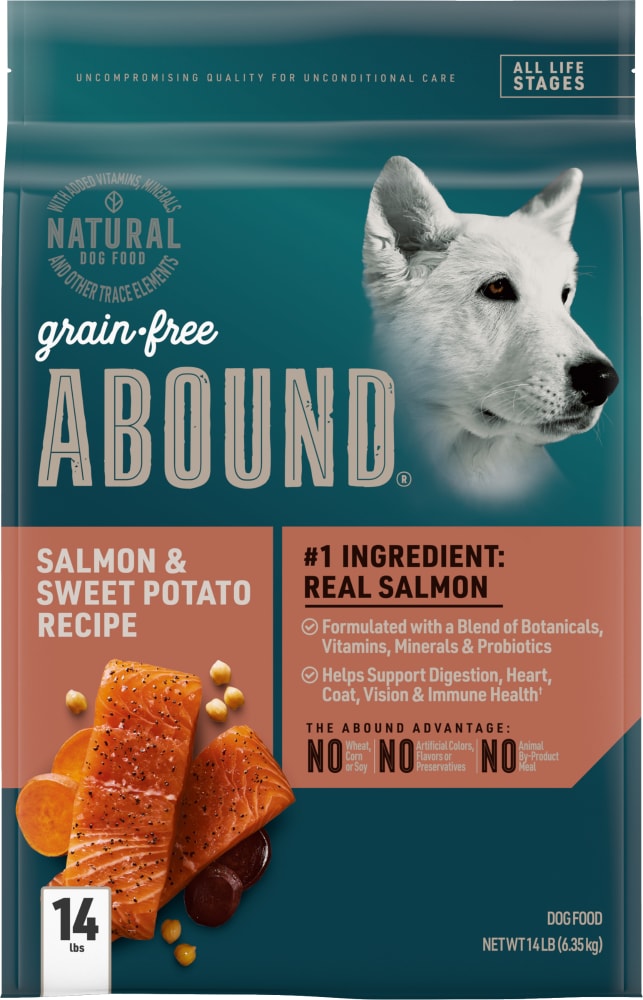
What is grain free salmon sweet potato dog food?
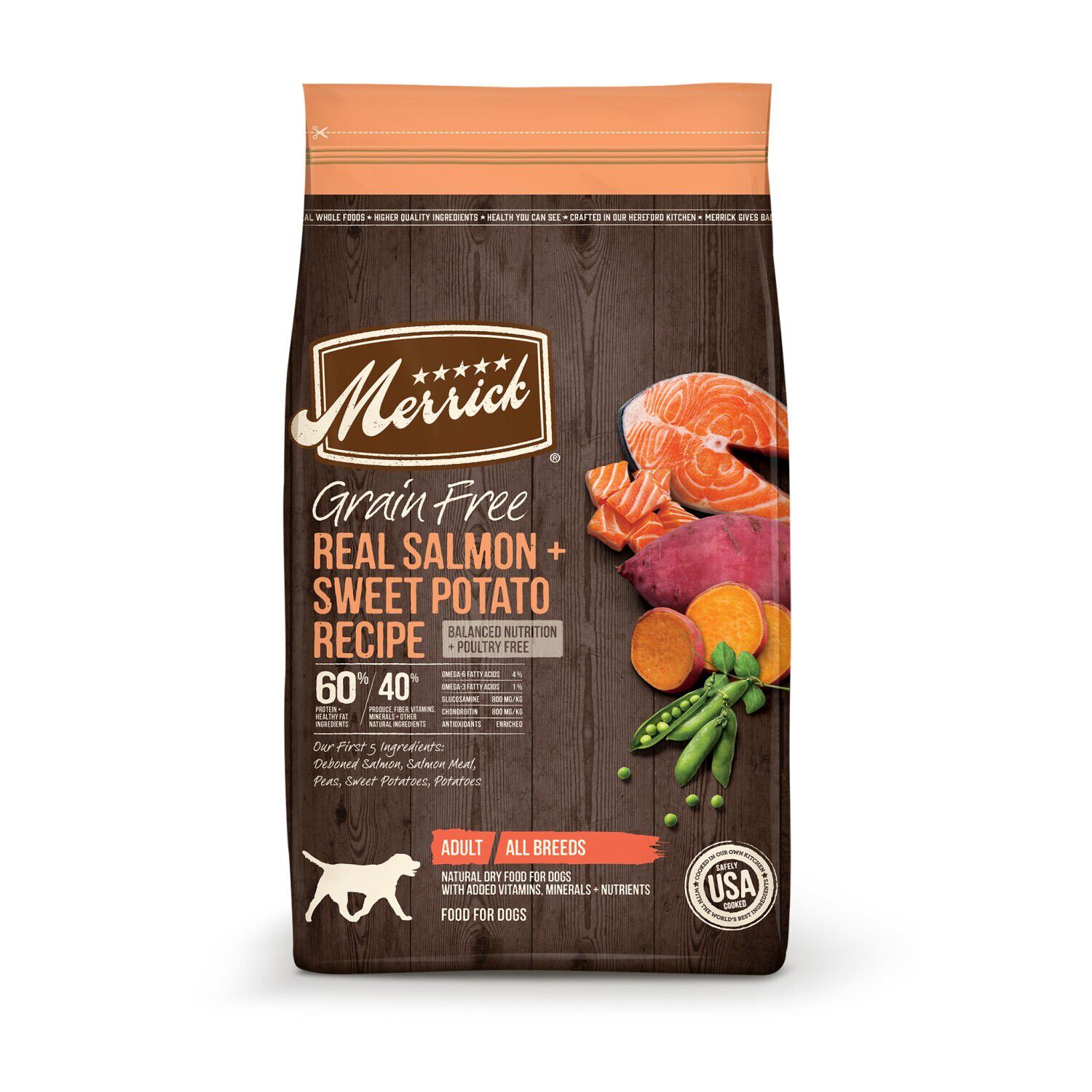
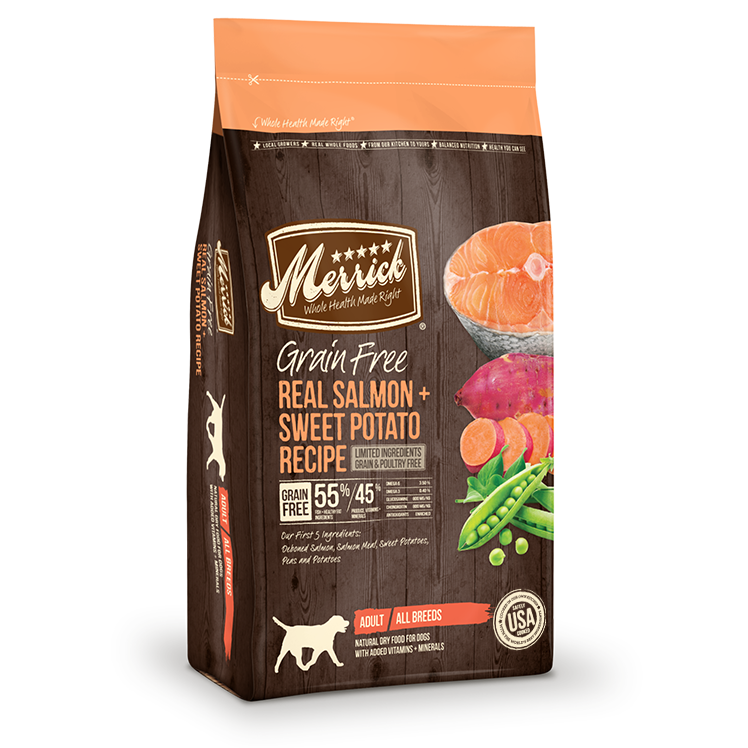
This food type replaces grains like corn, wheat, or rice with starchy roots such as sweet potato. The protein comes from salmon or salmon meal. Many formulas add fish oil for omega-3 fats.
This style suits dogs with possible grain sensitivities or those who do better on fish protein. It is common in limited-ingredient diets. The goal is simple: fewer triggers, steady energy, and gentle digestion.
Key traits you will see on bags:
- Named fish protein: salmon, salmon meal, or both.
- Grain-free carbs: sweet potato, potato, or tapioca.
- Supportive extras: fish oil, probiotics, and chelated minerals.
- AAFCO statement for complete and balanced nutrition.
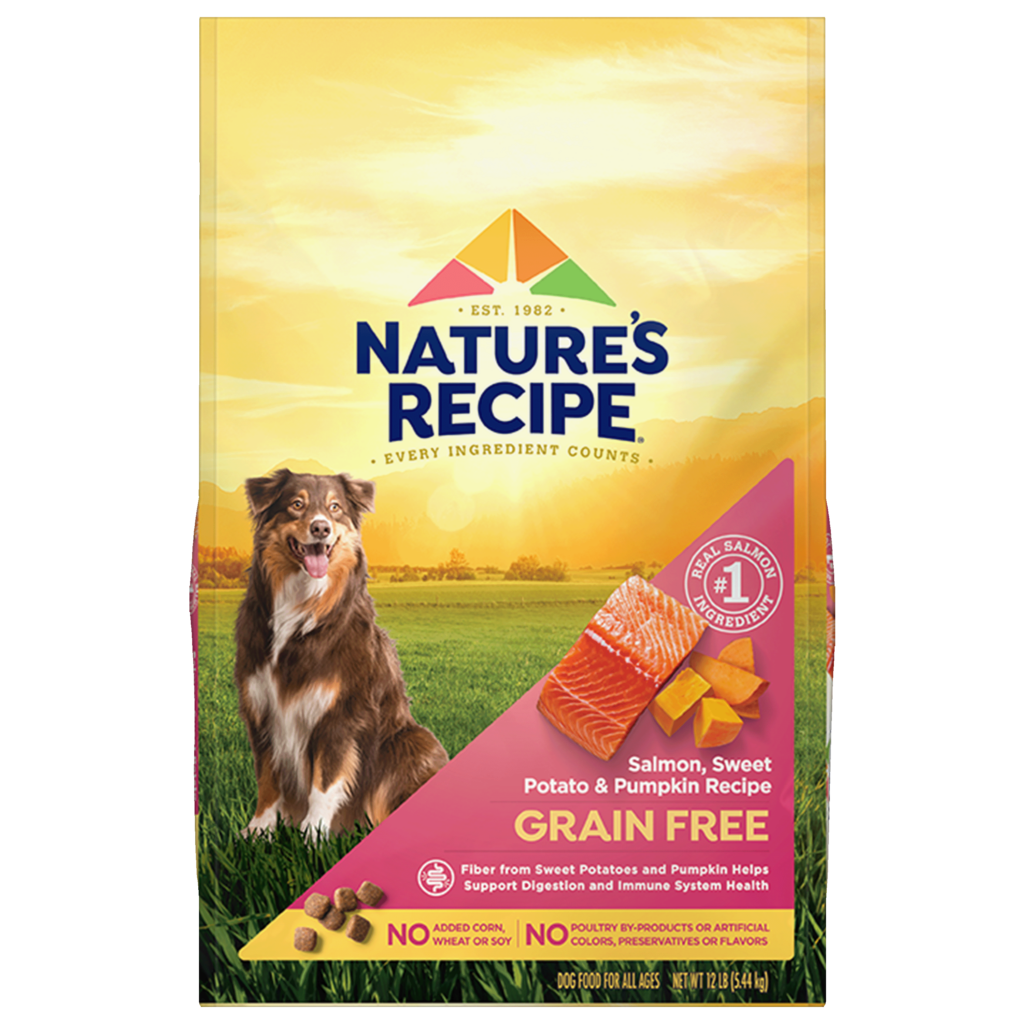
Benefits of salmon and sweet potato for dogs
Salmon offers high-quality protein and essential amino acids. It also provides EPA and DHA, two omega-3 fats that support skin, coat, and joints. These fats help calm itchy skin and may reduce shedding.
Sweet potato brings fiber and slow-burning carbs. It is easy on many stomachs and helps form firm stools. It also adds vitamins like A and B6 and minerals like potassium.
How grain free salmon sweet potato dog food may help:
- Skin and coat: omega-3s nourish the skin barrier.
- Digestive comfort: simple formulas can reduce gas and loose stool.
- Palatability: many dogs love the taste of salmon.
- Weight control: steady carbs can help maintain a healthy body score.
Is grain free right for your dog?
Not every dog needs a grain-free diet. Many dogs do well on balanced grain-inclusive foods. Choose grain free salmon sweet potato dog food when there is a clear reason.
Good reasons to consider it:
- Your dog has itch or dandruff and responds to fish-based diets.
- Your vet suggested a limited-ingredient trial.
- Your dog refuses poultry or beef and eats fish with ease.
- Your dog has soft stools on grain-heavy diets.
Be aware of ongoing research about diet and heart health. Some grain-free foods high in legumes were linked to cases of dilated cardiomyopathy. Studies have not proven a single cause. Work with your vet if your dog is a large breed, has low taurine, or has a heart murmur. You can choose formulas without heavy pea or lentil loads and ensure nutrients meet AAFCO profiles.
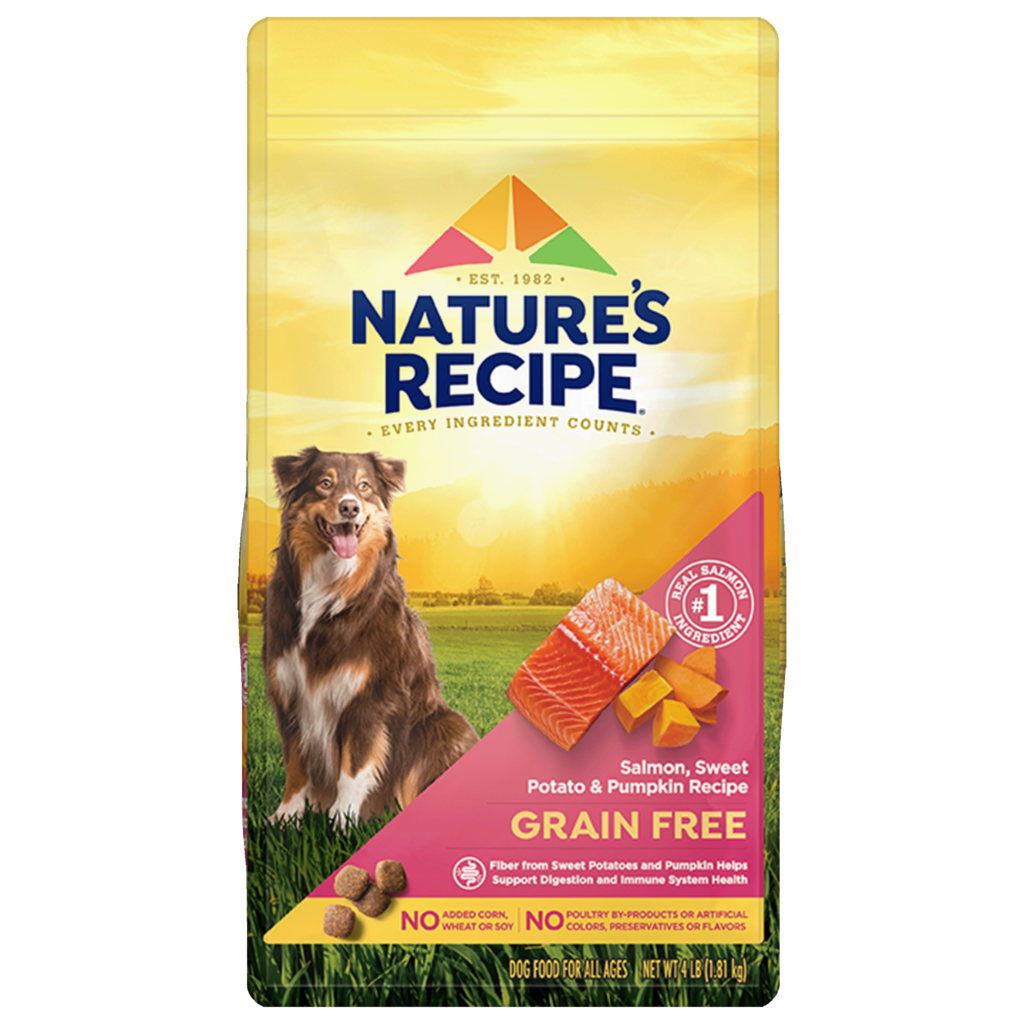
How to read the label like a pro
A careful label read gives you confidence. Look beyond buzzwords. Focus on the essentials.
What to look for first:
- AAFCO statement: complete and balanced for your dog’s life stage.
- Named protein: salmon or salmon meal as a top ingredient.
- Omega-3 support: fish oil or listed EPA and DHA levels.
- Calorie content: kcal per cup for accurate feeding.
Ingredient and nutrient checks:
- Carbs: sweet potato should appear high on the list, but not dominate.
- Legumes: if present, they should not crowd the top five ingredients.
- Fiber: 3 to 6 percent crude fiber is typical for good stool quality.
- Ash and minerals: balanced calcium and phosphorus for growth or adult use.
Helpful add-ons:
- Probiotics: listed by species and colony count at manufacture.
- Chelated minerals: better absorption for zinc and copper.
- Taurine: many brands include taurine for added heart support.
Feeding guide and safe transition
Switching food needs time. A gentle transition protects the gut. Use small steps and watch your dog’s stool and energy.
A simple seven-day plan:
- Days 1–2: 25 percent new food and 75 percent old food.
- Days 3–4: 50 percent new and 50 percent old.
- Days 5–6: 75 percent new and 25 percent old.
- Day 7+: 100 percent new food.
Portion tips:
- Check kcal per cup and your dog’s weight and activity.
- Start with the brand’s chart, then adjust every 7 to 10 days.
- Keep treats under 10 percent of daily calories.
Storage and handling:
- Seal the bag and keep it cool and dry.
- Use food within 4 to 6 weeks after opening.
- Wash bowls daily and measure with the same scoop.
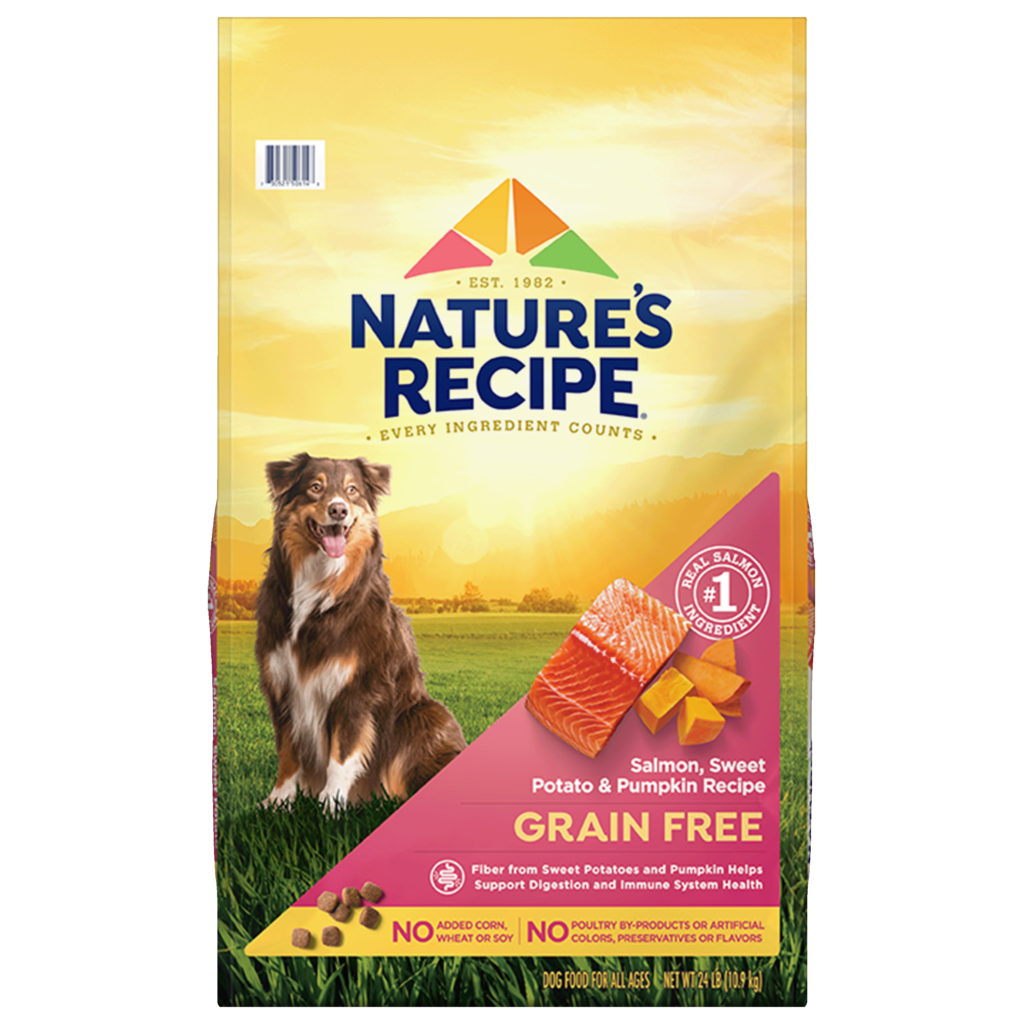
Who benefits most from this formula
Grain free salmon sweet potato dog food can shine in real cases. I have seen dogs with long-term itch find relief when moved to fish-based diets. I have also seen sensitive stomachs settle in two weeks with a slow switch.
Dogs that may benefit:
- Dogs with seasonal itch or dry coats that need omega-3 support.
- Dogs with chicken or beef sensitivities.
- Picky eaters who respond to fish aroma.
- Active dogs needing steady energy and lean muscle support.
Always track results. Use photos, weight logs, and stool scores. Share them with your vet to fine-tune the plan.
The heart health conversation: balanced and honest
The FDA has reported cases of diet-associated DCM since 2018. Many reports involved grain-free foods with high legume content. Causation is not proven, and most dogs on grain-free diets remain healthy.
Practical steps to stay safe:
- Choose grain free salmon sweet potato dog food with modest legumes.
- Ensure it meets AAFCO for your dog’s life stage.
- Look for added taurine and methionine levels within normal ranges.
- Ask your vet about taurine testing for at-risk breeds.
- Rotate proteins or brands from trusted manufacturers if advised by your vet.

Homemade vs commercial: what to know
Homemade salmon and sweet potato sounds simple. Yet homemade diets often miss key nutrients. Dogs need precise levels of calcium, iodine, copper, and more.
If you want to cook:
- Get a recipe from a veterinary nutritionist.
- Use a complete supplement designed for home-cooked diets.
- Recheck the recipe if your dog’s weight or health changes.
- Track omega-3 intake and avoid excess fat that can cause pancreatitis.
When time is tight, a commercial grain free salmon sweet potato dog food that meets AAFCO is the safer path. It is tested, balanced, and repeatable.
Cost and value: how to compare smartly
Price per bag can mislead. Compare cost per 1,000 kcal instead. Higher-calorie foods often feed less per day and can cost less over time.
Ways to save without cutting quality:
- Buy the largest bag you can use within 4 to 6 weeks.
- Sign up for auto-ship discounts.
- Use loyalty programs from trusted stores.
- Rotate with another complete food if your vet agrees, based on sales.
Common mistakes to avoid
Small errors can lead to big problems. Watch for these traps.
Avoid these pitfalls:
- Switching too fast and causing diarrhea.
- Ignoring kcal per cup and overfeeding.
- Choosing “grain free” but overlooking heavy legume loads.
- Skipping the AAFCO statement on the bag.
- Not consulting your vet when your dog has heart or GI issues.
Frequently Asked Questions of grain free salmon sweet potato dog food
Is grain free salmon sweet potato dog food good for allergies?
It can help when the trigger is a common protein like chicken. Always work with your vet and consider a true elimination trial if allergies persist.
Does my dog need added taurine on grain-free diets?
Many grain-free formulas include taurine already. Ask your vet about testing if your dog is a large breed or has heart concerns.
How long until I see skin and coat improvements?
You may see better skin and a shinier coat in 4 to 8 weeks. Omega-3 benefits build over time with steady feeding.
Can puppies eat grain free salmon sweet potato dog food?
Only if the food states it is complete and balanced for growth or all life stages. Large-breed puppies need correct calcium and phosphorus levels.
What if my dog gets soft stools on this diet?
Check your transition speed and portion size. Add a probiotic and ask your vet if symptoms last more than a few days.
Should I rotate proteins with grain free salmon sweet potato dog food?
Rotation can add variety and reduce boredom. Do it slowly and choose complete, balanced foods from reliable brands.
Conclusion
Grain free salmon sweet potato dog food can be a smart choice for skin health, digestion, and picky eaters. The best results come from clear goals, careful label reading, and steady feeding. Balance taste, nutrition, and safety, and track how your dog responds.
If this sounds right for your dog, start a slow transition and log changes for two weeks. Ask your vet for input and adjust as needed. Want more guides like this? Subscribe for updates, share your questions, or leave a comment with your dog’s story.