

Poultry-free dog food with grain offers balanced nutrition for sensitive dogs without chicken or turkey.
If you need a steady, simple way to feed a dog with food sensitivities, poultry-free dog food with grain is a strong choice. I have guided many pet parents through this switch, from picky puppies to itchy seniors.
In this guide, I explain what works, what to avoid, and how to choose with confidence. You will learn how to read labels, plan a safe transition, and get results that last.
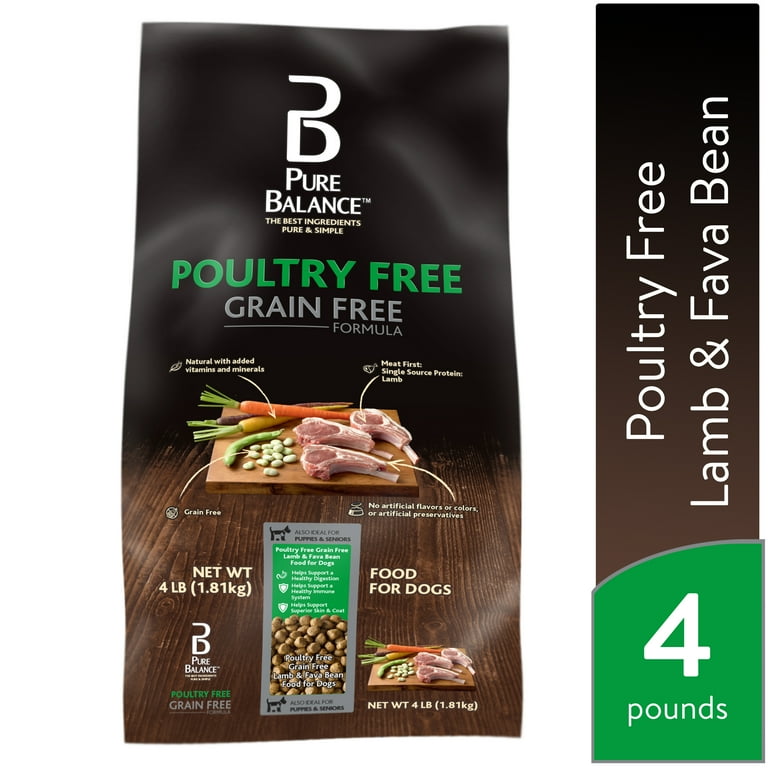
What is poultry-free dog food with grain?
Poultry-free dog food with grain is a complete diet that uses no chicken, turkey, duck, or eggs. It also avoids hidden poultry fats and flavors. The grain part means it includes foods like rice, oats, barley, or sorghum.
Many dogs do well on this plan. It supports steady energy, healthy stools, and a calm gut. For sensitive dogs, it can cut itching and tummy upset. Poultry-free dog food with grain keeps the diet balanced while avoiding a common trigger.
Key features to expect:
- Clear protein from beef, lamb, pork, fish, or venison
- Grains for fiber and steady energy
- An AAFCO statement for complete and balanced nutrition
- Simple labels with named ingredients
Poultry-free dog food with grain is not a trend. It is a practical tool to solve real issues and keep your dog’s bowl simple.
Why choose grains instead of grain-free?
Grains can help the gut and the heart. They add fiber that feeds good gut bacteria. Good gut health supports skin, stool, and mood. Dogs also use grain starch as a clean energy source.
Some grain-free diets use lots of legumes. High legume levels can change how a dog uses taurine and other nutrients. Some reports link these diets to heart issues in some dogs. The science is complex and still growing. Many vets now favor balanced diets with grains for most dogs.
Poultry-free dog food with grain gives you variety and balance. It lowers risk while keeping meals simple and tasty. I have seen calmer skin, better stools, and better appetite with this switch.

Nutrients and ingredients to look for
You want clear protein, sensible grains, and support nutrients. Keep it simple and clear.
Strong protein choices:
- Beef, lamb, pork, or venison
- Whitefish or salmon for gentle digestibility
- Named meat meals for higher protein density
Helpful grains:
- White rice for sensitive stomachs
- Brown rice or oats for fiber
- Barley, sorghum, or millet for steady energy
Support nutrients:
- Omega-3s from fish oil or algae for skin and joints
- Prebiotics and probiotics for stool quality
- Chelated minerals for better absorption
Skip these:
- Vague animal fat or poultry fat
- Egg product or chicken flavor
- Unclear “natural flavor” that may come from poultry
Poultry-free dog food with grain should be easy to read. The first five ingredients tell most of the story. Look for named proteins, clear grains, and useful add-ons.
Who should try poultry-free dog food with grain?
This plan helps dogs with suspected poultry issues. It also helps dogs with loose stool on legume-heavy diets. It can suit active dogs who need steady energy.
Signs that suggest a try:
- Itchy skin, ear gunk, or paw licking
– Gas, soft stool, or frequent tummy flips - Trouble keeping weight on or off
A short story from my work. I helped a young Lab with red ears and soft stools. We moved to a salmon and oat formula. It was a poultry-free dog food with grain. The change was slow and steady.
In two weeks the ears calmed. In four weeks the stools held shape. The owner cried with relief and kept a simple plan that worked.
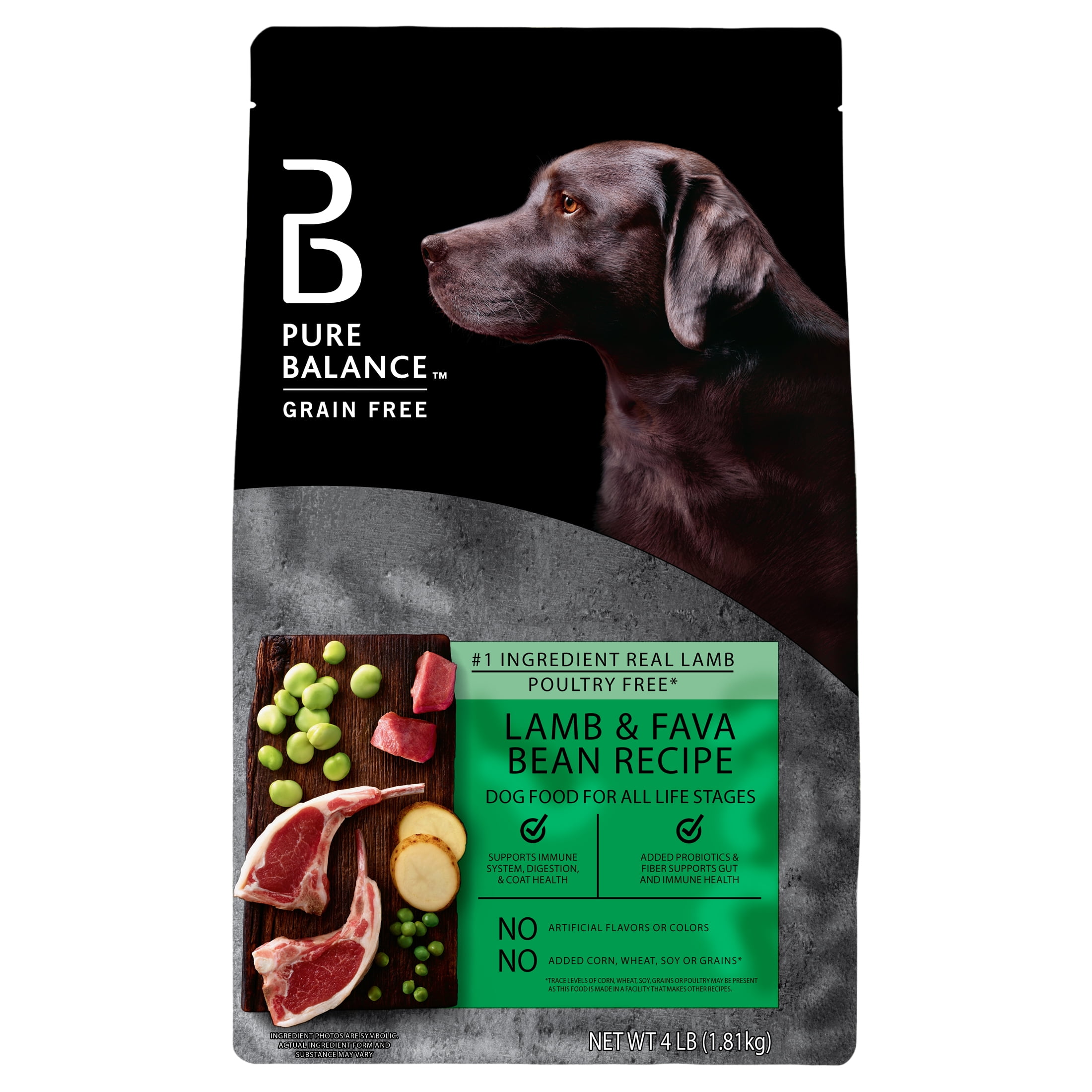
How to read labels and avoid hidden poultry
Labels can hide poultry in plain sight. Read slow. Know the tricks.
Check for these words:
- Chicken, turkey, duck, or egg in any form
- Poultry by-product meal or chicken by-product meal
- Chicken fat or poultry fat
- Chicken digest or natural flavor from poultry
What to prefer:
- Named protein like beef, lamb, pork, venison, or fish
- Named fat like fish oil or beef tallow
- AAFCO complete and balanced statement for your dog’s life stage
Many brands share equipment for many recipes. If your dog is very sensitive, ask the brand about clean-out steps. Some list this on their site. Clear labels build trust.

How to switch to poultry-free dog food with grain
Switch slow to protect the gut. The goal is calm stools and a happy dog.
A simple 10-day plan:
- Days 1 to 3: 25 percent new food, 75 percent old food
- Days 4 to 6: 50 percent new food, 50 percent old food
- Days 7 to 9: 75 percent new food, 25 percent old food
- Day 10: 100 percent new food
Tips that help:
- Add a spoon of plain canned pumpkin for fiber
- Keep treats simple and match the new protein
- Use fresh water and steady meal times
Stop and call your vet if you see vomiting, blood in stool, or clear pain. Most dogs do great with a slow plan. Poultry-free dog food with grain is easy to digest when you go slow.
Sample day and portion guide
Every dog is unique. Body weight, age, and activity set the plan. Use the brand’s chart as a start. Then watch your dog and adjust each week.
A simple way to begin:
- Feed adults two meals per day
- Use a kitchen scale for accuracy
- Check ribs once a week; you should feel them with light touch
- Adjust by 5 to 10 percent if weight moves too fast
Sample day for a 50-pound active dog:
- Morning: 1.5 to 2 cups of a beef and rice kibble
- Evening: 1.5 to 2 cups of the same food
- Add a small topper like sardines in water once or twice a week
If stools are soft, lower the portion a bit or add a little oat topper. Poultry-free dog food with grain should give firm stools and good energy.
Cost, storage, and sustainability
Poultry-free dog food with grain ranges in price. You can save by buying mid-size bags and storing well. Many find the cost per day is steady and fair.
Make it last:
- Store kibble in the original bag, inside an airtight bin
- Keep it cool, dark, and dry
- Use the bag in 4 to 6 weeks after opening
Look for brands that share sourcing and testing data. Ask about third-party checks. Poultry-free dog food with grain can be part of a low-waste plan when you buy smart and store well.
Common myths and mistakes to avoid
Grains do not cause most dog food allergies. Most food reactions come from proteins like chicken, beef, or dairy. Balanced grains can help gut health.
Chicken fat may still trigger some dogs. The risk is lower than whole chicken, but not zero. Very sensitive dogs should avoid it.
Do not rush the switch. Fast change can upset the gut. Do not mix many toppers at first. Keep notes and change one thing at a time.
Poultry-free dog food with grain is not boring. Rotate safe proteins like fish, lamb, or pork. Rotate safe grains like rice and oats. Do this every few months once your dog is stable.
How poultry-free dog food with grain supports skin and coat
Many dogs itch less when they drop poultry. Balanced omega-3s help the skin barrier. Fiber helps the gut, which can calm the skin.
What to include:
- Fish oil or algae oil for EPA and DHA
- Zinc and vitamin E for skin support
- Yeast-based beta-glucans for immune balance
Watch progress across weeks, not days. Take photos of ears, paws, and belly. Poultry-free dog food with grain can show results by week four to six.
Vet checks, testing, and when to escalate
If your dog has strong signs, loop in your vet. Ask about skin checks and stool tests. In hard cases, a true elimination diet may help. Some use hydrolyzed diets for 8 to 12 weeks.
Escalate if you see:
- Weight loss or low energy
- Repeated ear infections
- Blood in stool or vomit
Once stable, add a probiotic or a skin support chew if your vet agrees. Keep records of food, treats, and symptoms. Poultry-free dog food with grain is a smart base for long-term care.
Choosing the right formula for your dog
Match the food to your dog’s life stage and body state. Puppies need growth support. Seniors need lean protein and joint care. Large breeds need controlled calcium and calories.
Checklist before you buy:
- The bag states complete and balanced for your dog’s life stage
- The protein is not poultry
- The fat source is not poultry fat
- The first five ingredients are clear and named
- The brand shares quality control steps
Try one formula at a time. Give it a fair test of four to six weeks. Poultry-free dog food with grain should show stable energy, shiny coat, and solid stools.
Frequently Asked Questions of poultry-free dog food with grain
Is poultry-free dog food with grain good for allergies?
Yes, it can help if poultry is the trigger. The grain adds fiber and helps the gut while you avoid the problem protein.
Which grains are easiest to digest?
White rice and oats are gentle choices. Barley and sorghum are also well tolerated for many dogs.
Can my puppy eat poultry-free dog food with grain?
Yes, if the bag states growth or all life stages. Check calcium and phosphorus are in the safe range for growth.
How long until I see results after switching?
Many dogs improve within two to four weeks. Skin and coat changes may take four to eight weeks.
Do I need supplements with this diet?
Often no, if the diet is complete and balanced. Add omega-3s only if your vet suggests more skin or joint support.
Conclusion
Poultry-free dog food with grain is a simple, proven way to feed sensitive dogs well. It balances clean protein, helpful fiber, and steady energy. It also dodges a common trigger without giving up nutrition.
Start with a clear label and a slow switch. Watch your dog, track changes, and fine-tune the plan. If you are ready, pick one formula today and begin a calm 10-day transition. Want more help choosing? Subscribe for new guides, or leave a question and I will help you build the right bowl.