

Yes—most zinc-free denture adhesives are safe when used as directed.
If you wonder is zinc free denture adhesive safe, you are not alone. I study dental materials and test denture products often.
In this guide, I break down how these adhesives work, what the research says, who should use them, and how to get a strong, safe hold. You will get clear steps, real-world tips, and answers to the most common questions.

What zinc does in denture adhesives
Zinc once played a key role in many denture creams. It boosted hold by helping the adhesive set and resist saliva. But problems came from heavy, long-term overuse. High zinc intake can lower copper in the body, which can affect nerves.
Those cases led to safety warnings and reformulation across the industry. Today, many top products are zinc-free. That shift raised a common question: is zinc free denture adhesive safe? The short answer is yes for most people, when you follow the label and maintain good denture fit.

Is zinc-free denture adhesive safe? Evidence and risk profile
For most users, zinc-free adhesive is safe. The main ingredients are inert polymers that swell with moisture to grip the denture. They are widely used in foods and medicines. Swallowed amounts are small and pass through the gut.
Reported issues are usually mild. They include gum irritation, taste changes, or a rare allergy to flavorings or colorants. If you have very dry mouth, thick adhesive can feel pasty. But that is a comfort issue, not a major safety risk.
Research and regulatory guidance point to a bigger risk with zinc-based creams when overused, not with zinc-free formulas. So, is zinc free denture adhesive safe for daily use? Yes, when used as directed and paired with a well-fitting denture. If you rely on large amounts to stop movement, the denture likely needs a reline or remake.

What ingredients are in zinc-free adhesives?
Most zinc-free denture adhesives use a blend of safe, high-grip polymers and soothing carriers. Common ingredients include:
- PVM/MA copolymer helps bind the denture to moist tissue for a firm hold.
- Sodium carboxymethylcellulose adds thickness and holds water to create a seal.
- Calcium or sodium alginate comes from seaweed and helps gel formation.
- Petrolatum or mineral oil helps spread the cream and improve comfort.
- Flavoring agents and colorants add taste and appearance.
These materials have long safety records. The polymers are not absorbed by the body in any meaningful amount. If you ask again, is zinc free denture adhesive safe due to these ingredients, the answer is yes for most users. Patch test any new product if you have sensitive skin or a history of allergies.
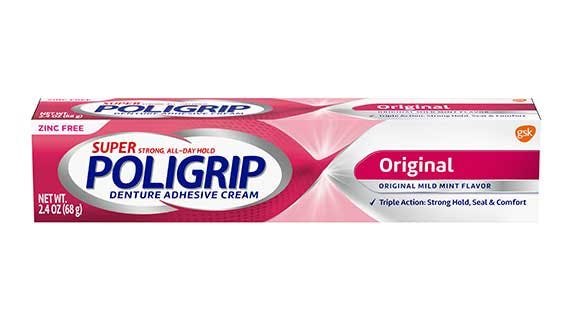
Who should choose zinc-free over zinc-based?
Zinc-free is a smart choice for many people, especially if you:
- Use adhesive more than once a day or in large amounts.
- Take zinc supplements or high-zinc multivitamins.
- Have a history of nerve issues, anemia, or copper deficiency.
- Prefer the most conservative safety profile.
- Want a clear answer to “is zinc free denture adhesive safe for long-term use?” Yes, it reduces the risk linked to excess zinc.
If your dentures are new or your gums are healing, a zinc-free cream is a safe bridge. Ask your dentist about fit checks if you need more hold over time.

How to use zinc-free denture adhesive safely and get strong hold
Good technique matters more than the brand. Follow these steps:
- Clean and dry the denture fully. Adhesive grips best on a dry base.
- Apply small dots or thin strips. A pea-sized amount in three spots often works.
- Seat the denture with firm, even pressure for 10–20 seconds.
- Wait 5–10 minutes before eating or drinking.
- Remove at night, clean your mouth and the denture, and store it dry.
Do not layer extra adhesive through the day. If the denture loosens, rinse and reapply a small amount to clean, dry surfaces. If you need more than a few pea-sized amounts daily, the fit is off. Even then, is zinc free denture adhesive safe to use more often than zinc-based kinds? Yes, but more product is not better. Fix the fit.
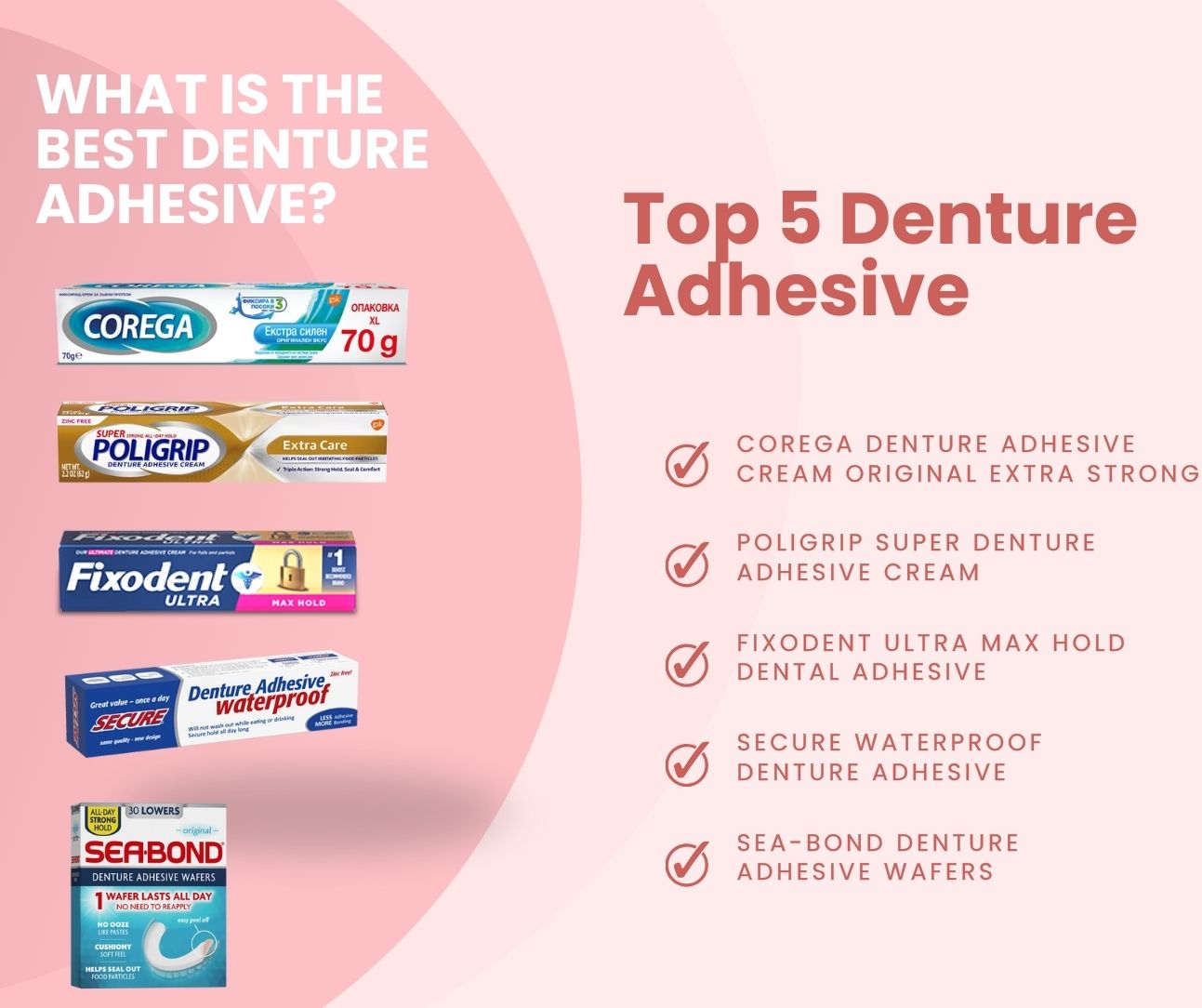
Creams, powders, pads, and strips: choosing the right format
Zinc-free options come in several forms. Each has pros and cons:
- Creams offer strong, all-day grip with good cushioning. They are easy to spread.
- Powders feel lighter and cleaner but may need a midday touch-up.
- Pads or cushion strips help fill gaps and reduce sore spots on older dentures.
- Wafers suit lower dentures that rock. They can improve the seal in wet mouths.
Match the format to your needs. If you ask, is zinc free denture adhesive safe across all formats, the answer is still yes when used as directed. Choose comfort first, then hold.

Side effects to watch for and when to call your dentist
Most users have no problems. Still, pay attention to:
- Red, sore, or burning gums that last more than two days.
- Bad breath or a slimy film, which can mean poor cleaning or a fungal flare.
- The need for lots more adhesive, a sign of poor fit or bone changes.
Remove dentures at night to lower the risk of denture stomatitis and pneumonia. If you see mouth sores, bleeding, or white patches, stop the product and call a dentist. Ask about a reline, as better fit often means less adhesive.

Practical tips, lessons learned, and common mistakes
From testing many zinc-free products and helping denture wearers, a few tips stand out:
- Less is more. Small, even dots seal better than thick lines.
- Dry to start, then moisture activates the grip. Do not apply on wet acrylic.
- Do not mix brands at once. Formulas can clump.
- Track your usage. A standard 2 oz tube should last many weeks if used right.
- If you keep asking yourself is zinc free denture adhesive safe because you need lots of it, focus on fit, not adhesive volume.
Mistakes to avoid include sleeping with dentures, skipping daily cleaning, and using adhesive to hide sore spots. Sore spots need an adjustment, not more cream.

Cost and value: how to make a tube last
You can keep costs low with good habits:
- Use the smallest amount that works and note the pattern that holds best.
- Replace old or warped dentures; they waste adhesive.
- Store tubes capped and cool to prevent drying.
- Try powders or strips if you want cleaner removal and less waste.
If used well, zinc-free cream provides strong value. It offers peace of mind for those who ask is zinc free denture adhesive safe but want reliable hold every day.
Frequently Asked Questions of is zinc free denture adhesive safe
Is zinc free denture adhesive safe for long-term daily use?
Yes, most people can use it daily without issues. Follow label directions and keep dentures well-fitted to avoid overuse.
Can zinc-free adhesive cause allergies or rashes?
It is rare but possible due to flavorings, colorants, or base oils. Stop use if you notice redness, swelling, or itching, and try a hypoallergenic option.
Is zinc free denture adhesive safe if I also take multivitamins with zinc?
Yes, zinc-free avoids extra zinc exposure. Still, do not overuse any adhesive, and speak with your doctor if you have copper or zinc concerns.
Does zinc-free hold as well as zinc-based adhesives?
Modern zinc-free formulas can hold just as well for many users. Fit, dryness, and application technique matter more than zinc content.
Is zinc free denture adhesive safe for people with kidney disease?
It is generally safer than zinc-based options. Always consult your healthcare provider if you have complex medical conditions.
How much zinc-free adhesive should I use?
Start with small dots or thin strips, about pea-sized amounts. Add only if needed after a clean reapplication.
Is zinc free denture adhesive safe for lower dentures that are loose?
Yes, but lower dentures often need special care. Consider strips, a soft reline, or a dentist check if hold is poor.
Conclusion
Zinc-free denture adhesives are a safe, effective choice for most users when used as directed. They avoid the excess zinc concerns seen with heavy overuse of older formulas. The best results come from a well-fitted denture, small amounts of adhesive, and consistent cleaning.
Take the next step today. Test a zinc-free option, refine your application technique, and schedule a fit check if you rely on large amounts. Want more tips on denture care and product tests? Subscribe or leave a comment with your questions.


