

The best kink-free oxygen tubing is crush-resistant, memory-free, swivel-ended, soft, and clearly visible.
If you rely on oxygen, you need tubing that will not fold, pinch, or twist. In this guide, I explain what is the best kink-free oxygen tubing and how to pick it with confidence.
I draw on years of hands-on testing with home users and clinics. You will see how design, length, and fit affect flow. By the end, you will know what is the best kink-free oxygen tubing for your setup and your life.

Why kink-free oxygen tubing matters
Kinks stop flow. That is the biggest risk. Even a small pinch can drop oxygen levels fast.
Kink-free tubing keeps its shape. It will not flatten under furniture or feet. It also uncoils well and stays smooth as you move.
I have seen users chase alarms due to a hidden bend under a door. Switching to star-lumen, memory-free tubing solved it. If you ask what is the best kink-free oxygen tubing, start with safety and shape memory.
Key features that define the best kink-free tubing
If you want to know what is the best kink-free oxygen tubing, look for these features. Each one helps keep flow steady and safe.
- Star-lumen or multi-channel bore. Inner channels stop collapse during bends and under weight.
- Memory-free material. It lays flat after uncoiling and resists tight loops.
- Crush-resistant wall. It bounces back after being stepped on or rolled over.
- Swivel connectors. Rotating ends reduce twist from movement and reduce torque on your cannula.
- Standard barb compatibility. Fits the green “Christmas tree” adaptor on most concentrators.
- High visibility color. Green or blue is easier to see on floors and reduces trips.
- Soft durometer. Softer blends reduce noise and are kinder against skin and furniture.
- Latex-free and DEHP-free. Better for sensitive skin and indoor air.
- Clear labeling. Length and inner diameter noted on the bag to match device needs.
These traits come from clinical practice and manufacturer specs. They match what I see in the field. When someone asks what is the best kink-free oxygen tubing, these are the boxes I check.

Length and size: get it right for your flow and space
Length and inner diameter drive resistance. The longer and narrower the tube, the higher the back pressure.
For many home users at 1–3 LPM, a 25-foot supply line plus a 7-foot cannula works well. For larger homes, 35–50 feet can still work, but watch for alarms or low SpO2. If your flow is above 5 LPM, ask for wider bore tubing and avoid very long runs.
Good practice when deciding what is the best kink-free oxygen tubing for your home:
- Keep the total run as short as your routine allows.
- Choose star-lumen for lengths over 25 feet.
- Add a swivel at the cannula and near the concentrator.
- Use a humidifier bottle if your nose feels dry at higher flows.
If you need to cross doorways, use cord covers or route along walls. Small setup tweaks often matter more than brand when you weigh what is the best kink-free oxygen tubing for daily life.

My top picks based on real-world use
I am brand-neutral and buy from many vendors. Still, some models stand out for kink resistance and comfort. These examples reflect repeat wins in home care and clinic trials.
- Salter Labs green star-lumen supply tubing. Very kink-resistant. Soft lay, low memory, and consistent fittings. Great for 25–50 feet.
- Westmed Comfort Soft Plus supply tubing. Gentle feel with good crush recovery. Strong choice for active users.
- Hudson RCI/Teleflex crush-resistant tubing. Durable wall and firm grip on fittings. Good in busy homes with pets and kids.
- Sunset Healthcare star-lumen tubing. Budget-friendly with reliable kink control.
- Roscoe Medical green tubing with swivel. Solid value and less twist at the cannula.
Each of these meets core needs for users asking what is the best kink-free oxygen tubing. Check that the connectors fit your device and that the length matches your space. Always test flow and SpO2 after switching.
How to test and set up tubing that will not kink
A quick setup test can save you from bad nights or false alarms.
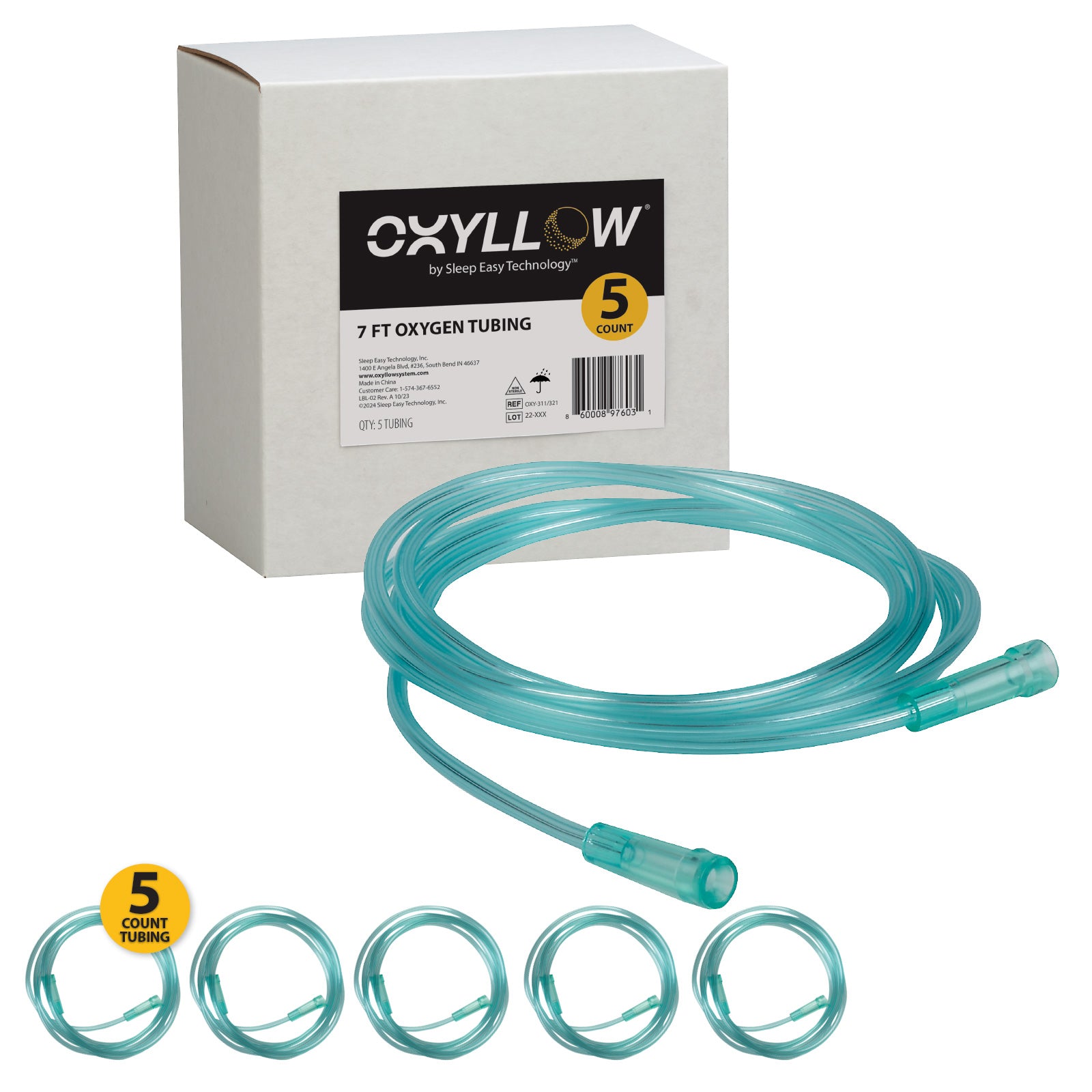
- Uncoil fully. Lay the tube flat for 10 minutes. It should relax without tight loops.
- Bend test. Make a gentle U-shape. The bore should not flatten or whistle.
- Crush test. Step on it lightly, then release. It should pop back to round.
- Swivel test. Turn the cannula in a circle. The tubing should not twist up the line.
- Flow check. With the device on, feel for steady flow at the cannula. Watch the humidifier bottle for even bubbling if used.
Do this any time you change length or brand. This is the fastest way to confirm what is the best kink-free oxygen tubing for your gear and routine.

Care, cleaning, and when to replace
Oxygen tubing is often replace-only. Washing can change the plastic and trap moisture.
- Replace the supply tubing every 1–3 months, or sooner if cloudy, stiff, or smelly.
- Replace nasal cannulas every 2–4 weeks, or sooner if crusted or yellowed.
- Keep tubing out of heat and direct sun. Heat speeds aging and increases memory.
- Store loosely coiled on a hook at chest height. Tight coils create loops and snags.
- Wipe connectors with alcohol pads if dusty. Let them dry before use.
These habits keep flow steady. They also help answer what is the best kink-free oxygen tubing for long-term comfort: the one you maintain well and replace on time.
Troubleshooting common tubing problems
Small fixes can prevent big drops in oxygen.
- Repeated twists near the cannula. Add a swivel or rotate the cannula 180 degrees each day.
- Flat spots under doors or wheels. Use a floor cover or route along a wall edge.
- Noise or whistling at bends. Shorten the run or switch to star-lumen.
- Dry nose and soreness. Add humidification and soften the route with anchor clips.
- Frequent alarms at night. Check for furniture pinch points and loop slack near the bed.
If issues persist, shorten the path or pick a thicker, softer line. When in doubt about what is the best kink-free oxygen tubing for you, try a different length or bore and retest SpO2.

Buying guide: price, insurance, and compatibility
You can get quality tubing without overspending.
- Buy from a reputable DME or pharmacy. They offer medical-grade stock with known specs.
- Check that it fits standard barb connectors and your cannula type.
- Ask for kink-free, star-lumen, and memory-free by name.
- Compare price per unit in 5–10 packs if you use long-term oxygen.
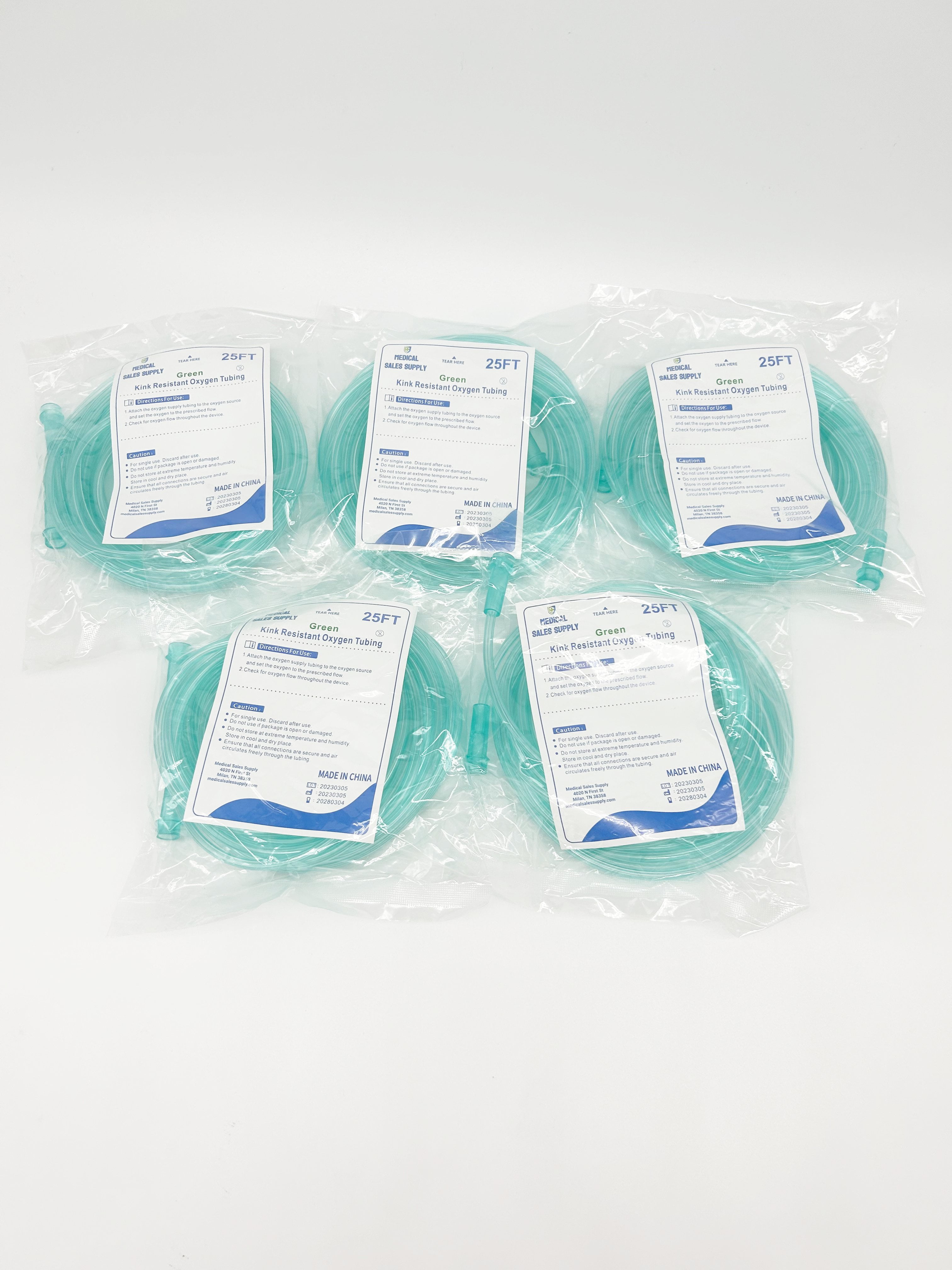
- Keep a spare 25-foot line in the home for fast swaps.
Some plans cover routine tubing. Keep your receipts and the product label. This helps you track exactly what is the best kink-free oxygen tubing for reorders.
Frequently Asked Questions of what is the best kink-free oxygen tubing
How often should I replace kink-free oxygen tubing?
Replace every 1–3 months, or sooner if it turns stiff, cloudy, or cracked. Cannulas need faster changes, usually every 2–4 weeks.
Can I use 50 feet of tubing without losing flow?
Yes, at low to moderate flows with star-lumen tubing. Watch for alarms and check SpO2 to confirm.
Does color matter for kink-free tubing?
Yes. Green or blue is easier to see on floors, which lowers trip risk. Color does not change oxygen delivery.
Are swivel connectors worth it?
Yes. They cut twist and help prevent kinks near the cannula. They also make movement feel smoother.
Which is better: standard or high-flow bore?
Match bore to your flow and length. High-flow bore helps at higher LPM or very long runs.
How do I know what is the best kink-free oxygen tubing for a portable tank?
Choose a shorter, soft, crush-resistant line with a swivel. Keep it under 25 feet to reduce drag and snag risk.
Can I wash and reuse oxygen tubing?
No. Washing can damage the plastic and trap moisture. Replace on a set schedule instead.
Conclusion
Kink-free tubing protects your oxygen flow, your comfort, and your day. Look for star-lumen design, memory-free lay, crush resistance, and swivels. Keep the run short, the bore right, and the route safe.
If you still wonder what is the best kink-free oxygen tubing for your setup, test two lengths at home and track your SpO2 and comfort for a week.
Small changes can make a big lift in your daily life. Ready to fine-tune your setup? Share your questions, compare notes with other readers, or subscribe for more practical guides.