

Cats often stop eating wet food due to health, texture, stress, or taste changes.
You are not alone in asking, why won’t my cat eat wet food anymore. As a pet care writer who has worked with vets and rescue teams, I see this often.
The fix needs a calm plan, clear checks, and small changes. In this guide, I break down the real reasons and the best steps to help your cat eat again.

Source: boosie.co
Common reasons your cat stopped eating wet food
If you wonder, why won’t my cat eat wet food anymore, start with what changed. Cats are routine driven. A small shift can break trust in the bowl. Even a new smell on the dish can turn a meal into a no-go.
The most common reasons include:
- Dental pain such as broken teeth, sores, or gum disease
- A stuffy nose, which blocks smell and taste
- Nausea from hairballs, diet shifts, or illness
- Stress from a move, new pet, or loud sounds
- Food texture or formula changes by the brand
In my work with shelters, one shy tabby quit wet food after a brand reformulation. We tried a different texture and warmed it a bit. He ate in two days. Small changes matter.
Source: whisker.com
Health red flags and when to call the vet
Ask your vet soon if you keep asking, why won’t my cat eat wet food anymore and see other signs. A cat that stops eating for 24 hours needs a check. Kittens and seniors need even faster care.
Watch for:
- Weight loss, sunken hips, or a bony spine
- Vomiting, diarrhea, or straining in the box
- Drooling, pawing at the mouth, or mouth odor
- Lethargy, hiding, or low mood
- Drinking more or much less than normal
Veterinary teams look for dental disease, kidney issues, GI bugs, and pain. Blood work, a dental exam, and a hydration check are common and helpful.

Source: reddit.com
Texture, temperature, and flavor: how cats choose food
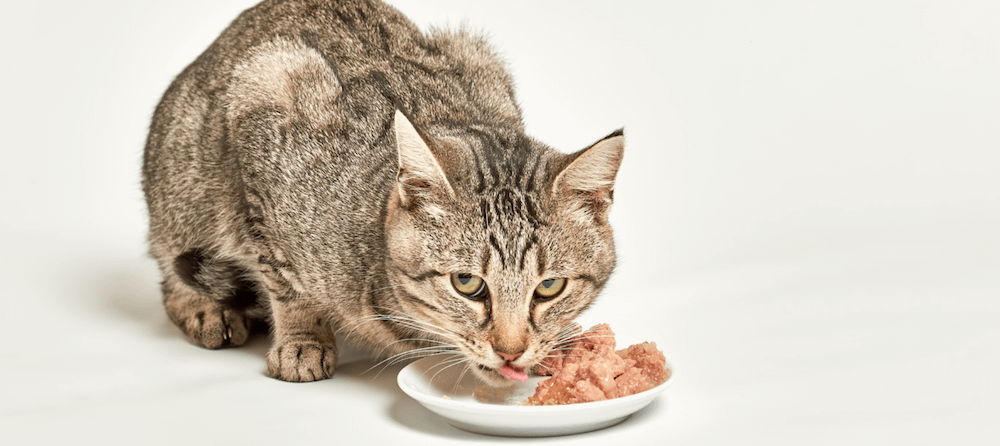
To many cats, texture is king. This ties back to prey feel. A cat may love pate but hate chunks in gravy. This alone can explain why won’t my cat eat wet food anymore.
Try small tests:
- Pate vs shreds vs morsels
- Chicken vs fish vs turkey
- Warm to body temp for more aroma
- Add a spoon of water for softer feel
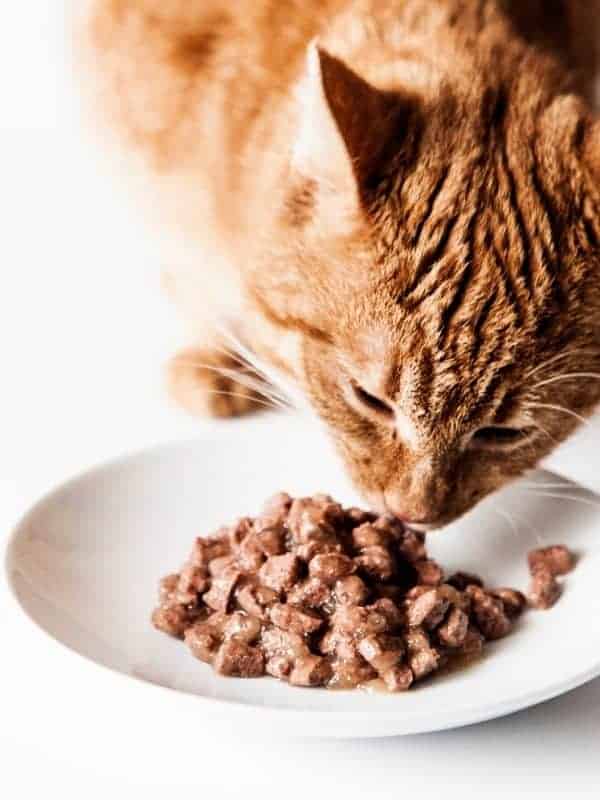
Serve in a wide, shallow dish to avoid whisker fatigue. Warm food smells stronger. That can switch on appetite when smell is dull.
Source: paratytrips.com
Behavior and environment: stress can shut appetite
Stress can close the kitchen door in a cat’s mind. If you think, why won’t my cat eat wet food anymore, look at the room. Is the bowl near a loud washer, the litter box, or a busy hallway?
Calm the space:
- Feed in a quiet spot with no foot traffic
- Keep dogs and other cats away during meals
- Set a steady schedule, morning and night
- Clean bowls daily to remove old smells
I once helped a foster who stopped wet food after a new puppy arrived. We fed the cat on a shelf and used a door gate. Intake returned in a week.

Source: mamparasdeducha.com
Step-by-step plan to reintroduce wet food
Use this plan if you still ask, why won’t my cat eat wet food anymore and there are no urgent health signs.
- Offer a teaspoon of wet food first, then dry. Keep meals short, 15 minutes.
- Warm the wet food. Stir. Test with your finger. It should be warm, not hot.
- Mix a tiny amount of wet into the dry. Raise the ratio every 2 to 3 days.
- Add toppers like tuna water, bone broth with no onion or garlic, or bonito flakes.
- Try a lick mat or a flat plate to change mouth feel.
- Rotate two or three textures to find a match, but avoid big daily swings.
- Track what works. Note brand, flavor, time, and mood.
- If no progress in a week, call your vet for a plan.
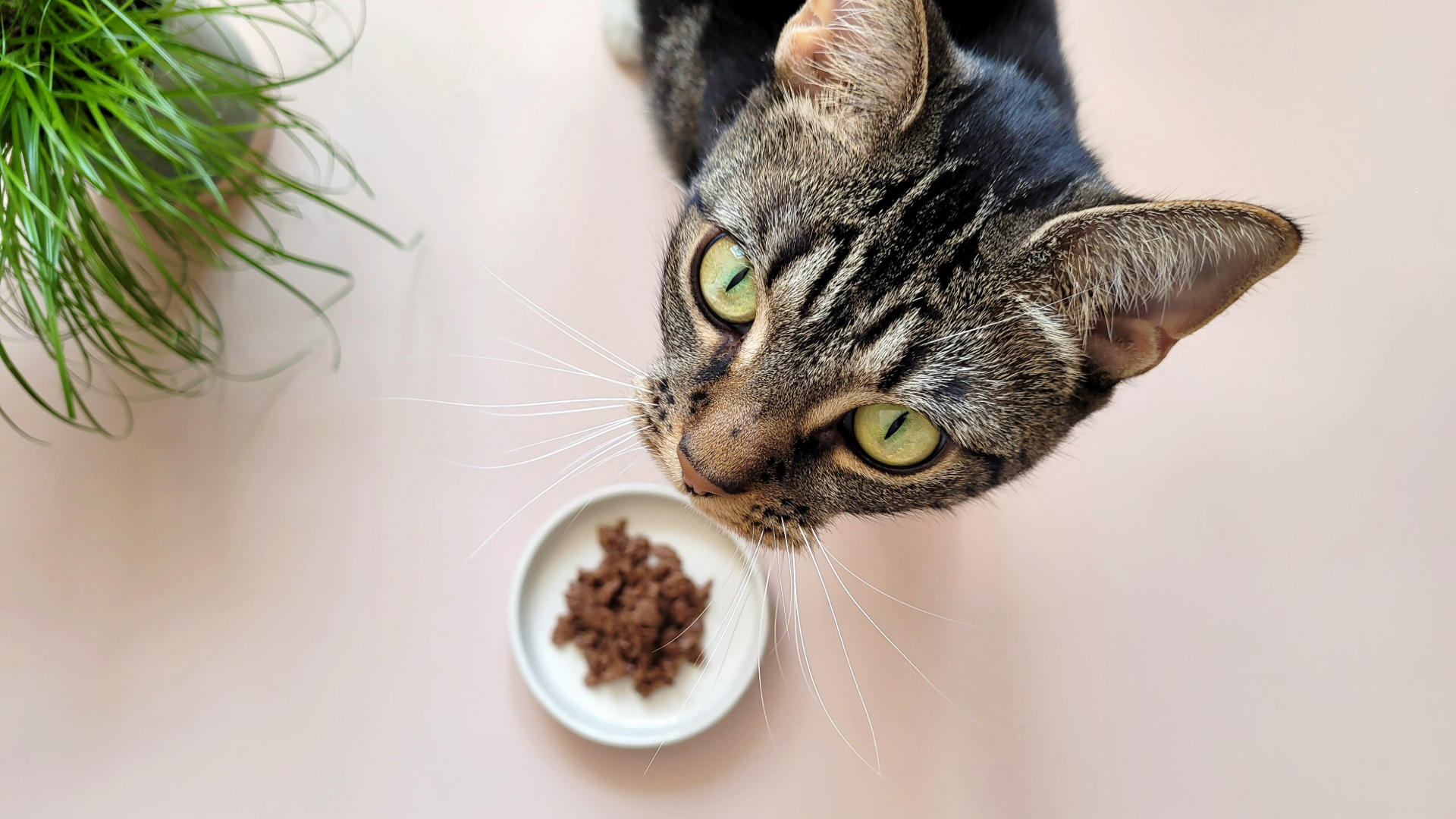
Avoid free feeding during training. Set meal windows to build hunger rhythm. Keep water fresh and near, but not next to the food bowl.
Source: petsradar.com
Nutrition basics: wet vs dry and the risks of a wet-food strike
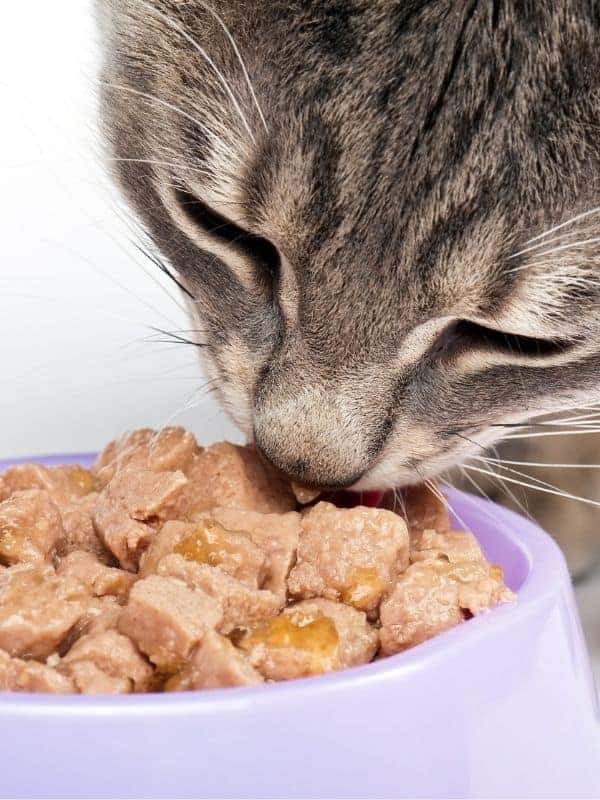
Wet food helps with water intake and urine flow. This can lower the risk of urinary issues in many cats. It also tends to have fewer calories per bite, which can help with weight care.
If you still ask, why won’t my cat eat wet food anymore, make sure hydration stays high. Use a water fountain. Offer safe broth. Add water to dry food slowly. Cats on dry-only diets may need more checks if they have a history of urinary or kidney issues. Ask your vet for tailored advice.
Source: kenyalogy.com
Quality control: storage, safety, and smell
Sometimes the answer to why won’t my cat eat wet food anymore is storage. Cats sense stale fat fast. Smell and mouth feel hint at spoilage before we notice it.
Use these rules:
- Cover and refrigerate open cans for up to 2 to 3 days
- Warm portions from the fridge to room temp or a bit warmer
- Do not leave wet food out for more than 1 to 2 hours
- Use clean spoons and bowls each meal
- Avoid dented, bulging, or rusty cans
Brands change formulas without clear notes. Batch numbers can vary in smell and texture. If a new case fails, try a different lot.

Source: expertcatcare.com
When “why won’t my cat eat wet food anymore” points to deeper issues
Sometimes, why won’t my cat eat wet food anymore is a flag for a larger problem. Dental pain is a classic cause. So are nausea, acid reflux, or constipation. Seniors may face arthritis that makes bowl height or posture hard.
Vets may check teeth, kidney and thyroid levels, and gut health. Pain control can help appetite fast. Anti-nausea meds can reset meals. This is not guesswork; a proper exam saves time and stress.
Source: basepaws.com
Frequently Asked Questions of why won’t my cat eat wet food anymore
Why did my cat suddenly stop eating wet food but still eats dry?
Dry food can be easier to chew if teeth hurt. It also has a strong crunch and a stable taste that some cats prefer.
How long can a cat go without eating wet food?
Do not let a cat go more than 24 hours without eating. Contact your vet sooner for kittens, seniors, or sick cats.
Should I switch brands if my cat refuses wet food?
Yes, try small cans in different textures and proteins. Make one change at a time to see what works.
Is it safe to warm wet cat food?
Yes, gently warm to body temperature and stir well. Do not overheat, and never microwave metal can parts.
Can stress cause my cat to refuse wet food?
Yes, stress can lower appetite fast. Create a calm feeding zone and use a steady routine.
What toppers help a picky cat try wet food?
Tuna water, safe bone broth, bonito flakes, or a probiotic sprinkle can help. Use tiny amounts to avoid tummy upset.
Could bad storage be why my cat rejects wet food?
Yes, stale or cold food smells off to cats. Store sealed, refrigerate after opening, and warm small portions before serving.
Conclusion
If you are still asking, why won’t my cat eat wet food anymore, take a calm, stepwise path. Check health, adjust texture and warmth, fix the feed space, and test toppers. Track what works and loop in your vet early for lasting results.
Small, steady changes rebuild trust at the bowl. Try one tip today and note the response. Want more guides like this? Subscribe, share your story, or leave a question so we can help your cat enjoy mealtime again.