

Yes. Food-grade diatomaceous earth kills ants by drying out their waxy exoskeletons.
If you’re wondering will food grade diatomaceous earth kill ants, you’re in the right place. I’ve helped many homeowners solve tough ant problems with this natural dust.
In this guide, I explain how it works, how to use it well, and when it falls short. You’ll learn safe, proven steps and simple tips that save time and money.
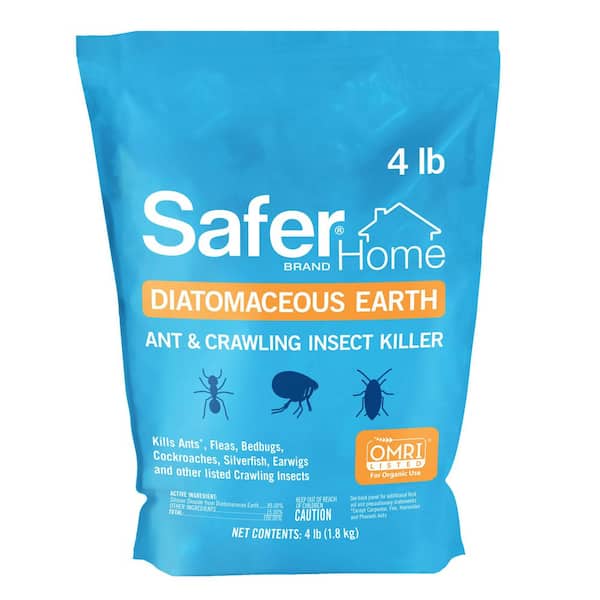
Source: homedepot.com
How Diatomaceous Earth Kills Ants
Diatomaceous earth (DE) is a fine powder made from fossilized algae. It looks soft, but the particles are sharp under a microscope. When ants crawl through DE, it damages their outer layer. The insect then loses moisture and dies.
It is not a poison. It works by physical action and needs to stay dry. That is why rain or high humidity reduce results. For people asking will food grade diatomaceous earth kill ants, the answer is yes, but only when conditions are right.
Dusts like DE have a slow effect. Expect a few days to see clear reduction. Heavier ant traffic speeds things up because more workers contact the dust.

Source: drkilligans.com
Benefits and Limitations
Diatomaceous earth has clear strengths. It also has limits you should know.
Benefits:
- Low-toxicity option when used as directed. Good for homes with kids and pets.
- No chemical resistance risk. It acts physically, not chemically.
- Works on many crawling insects. Ants, roaches, earwigs, and more.
Limitations:
- Only kills by contact. It is not a bait and does not attract ants.
- Loses power when wet. Rain, leaks, or steam reduce results.
- May not reach the queen. Colonies can rebound if you do not pair DE with baits.
Will food grade diatomaceous earth kill ants across a whole colony? It helps a lot, but pairing with a good bait improves queen reach and long-term control.
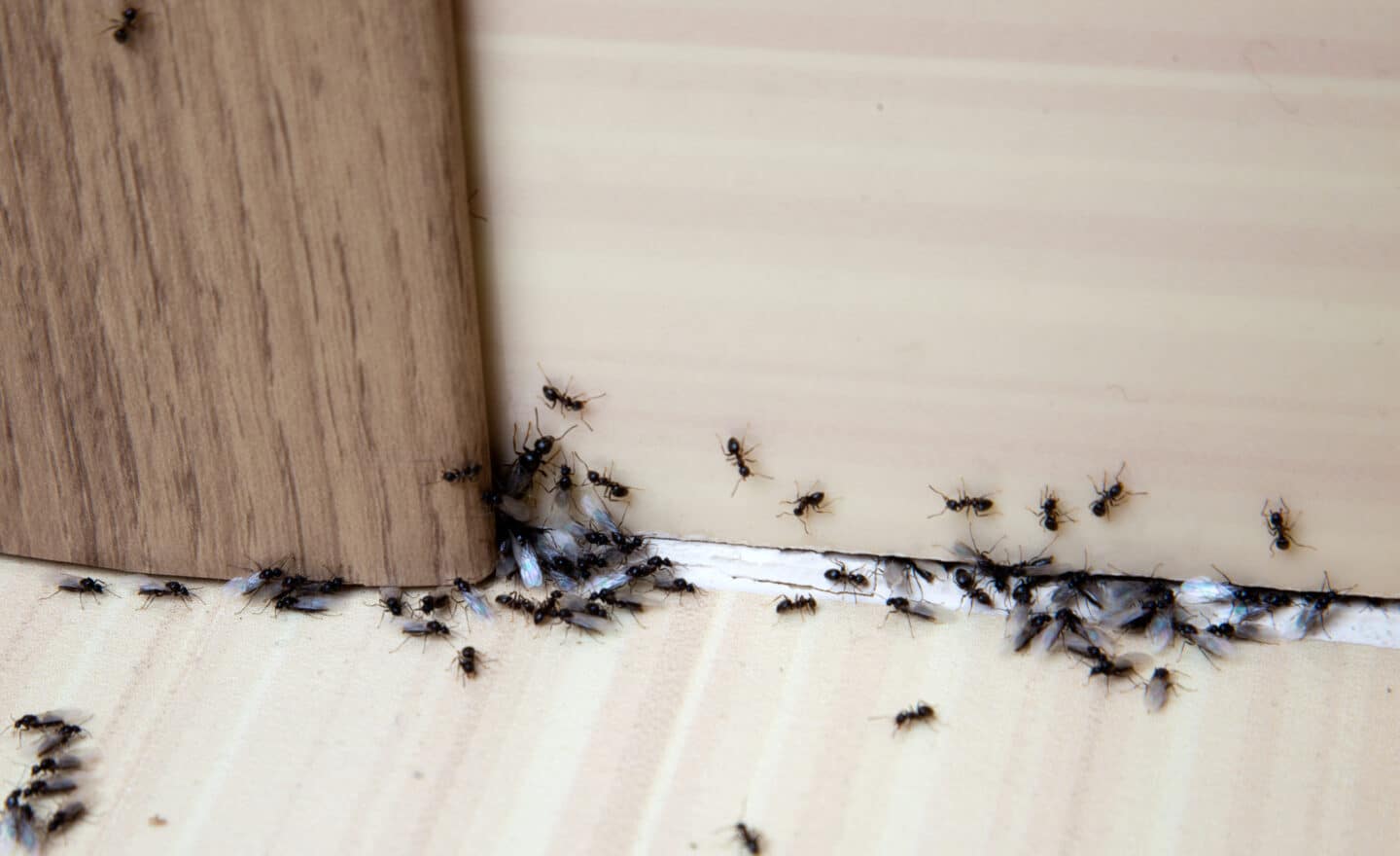
Source: cascadepest.com
How to Apply Food-Grade DE for Ant Control
I use a simple, light-hand approach. Less is more with dusts.
Indoors:
- Track the trail. Find entry points, baseboards, and gaps around pipes.
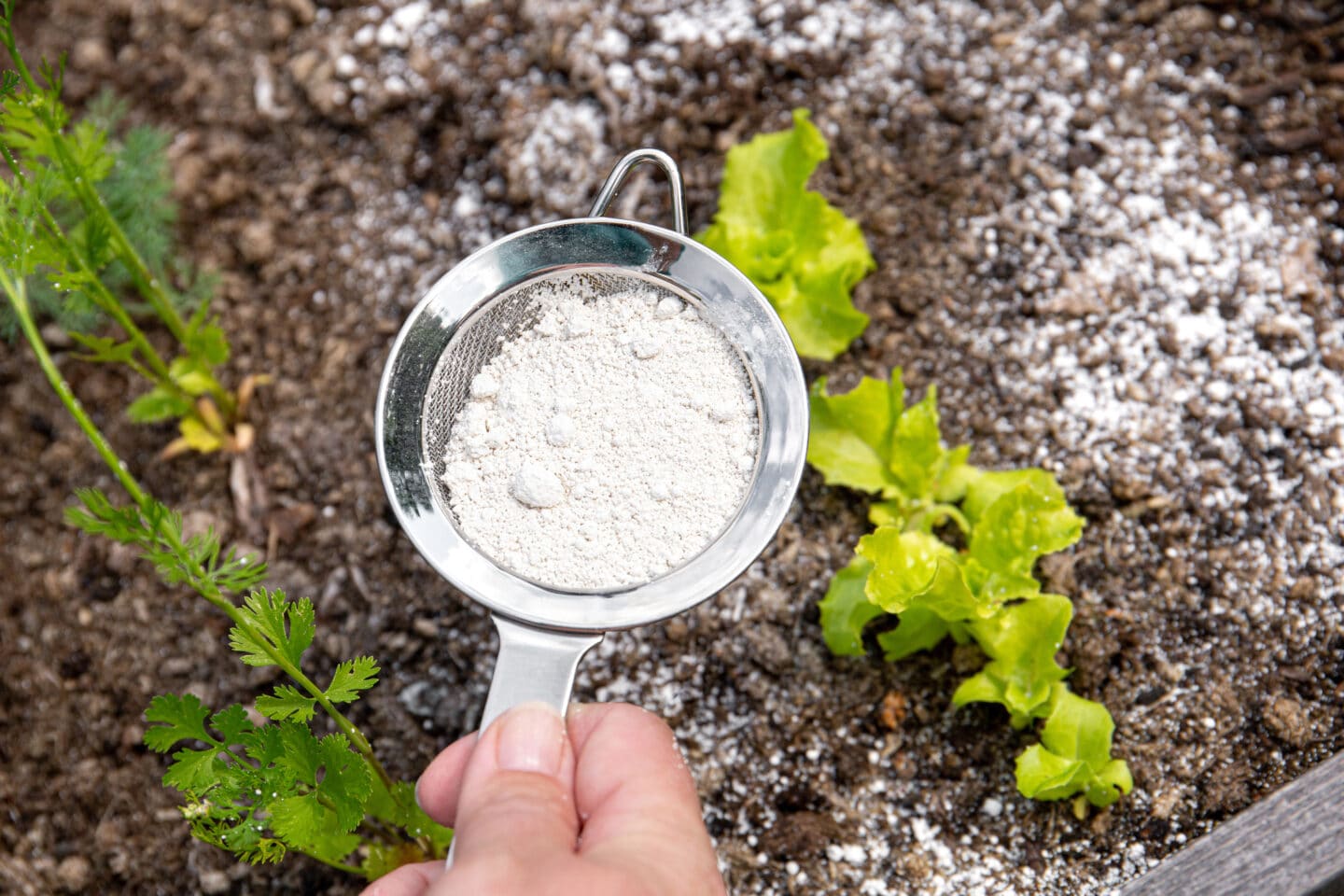
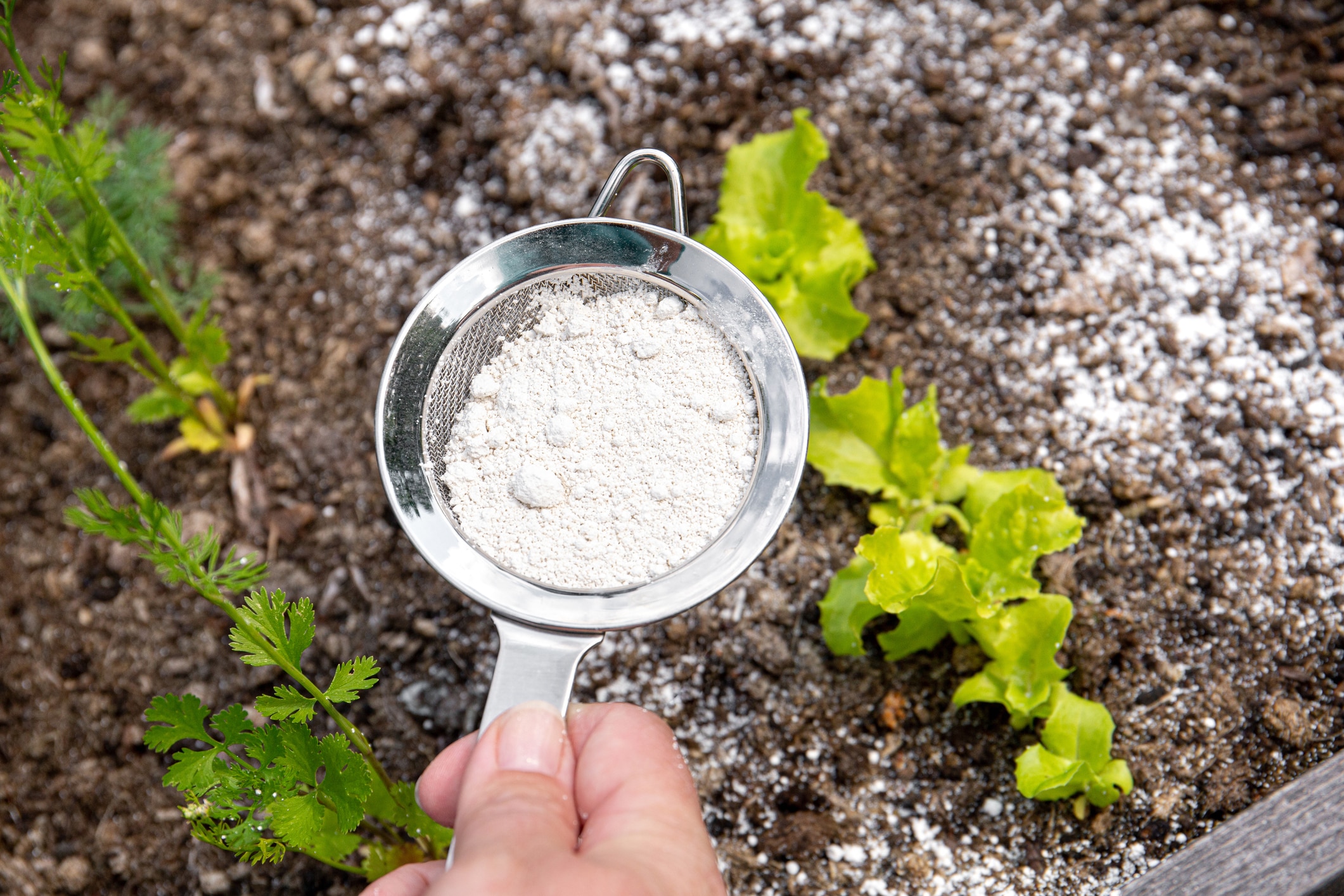
- Apply a thin, barely visible layer. Use a hand duster, bulb, or a small brush.
- Focus on cracks and voids. Do not leave piles, which ants avoid.
- Keep it dry. Avoid kitchens and baths if they are humid; treat only dry edges.
- Vacuum and reapply as needed. Re-treat after you clean or if traffic returns.
Outdoors:
- Dust entry points. Treat door thresholds, weep holes, and wall gaps.
- Circle known nests with a thin band. Do not pour mounds of powder.
- Reapply after rain or heavy dew. Moisture cancels the effect.
- Combine with a protein or sugar bait near, not on, the dust.
Application tips:
- Aim for about a teaspoon per 10 square feet as a guiding light layer.
- If you see white piles, you used too much.
- Use a mask or respirator when dusting to avoid breathing fine particles.
Will food grade diatomaceous earth kill ants if you apply it once? It can, but steady, light reapplication after cleaning and rain gives better results.

Source: amazon.com
Safety and Risks
Only use food-grade DE for pest control at home. Pool-grade DE is heat-treated for filters and is unsafe for this use.
- Avoid inhaling dust. Wear a basic dust mask. Keep pets and kids out of the area while dusting.
- Keep away from eyes. Use gentle puffs and avoid air currents.
- Protect beneficial insects. DE can harm bees and other helpful bugs on contact. Do not dust blooms or active pollinator zones.
- Food contact areas. Wipe off any visible dust before food prep.
Regulatory fact sheets and extension guides note that food-grade DE has low toxicity when used as directed. The main risk is respiratory irritation from dust.
Source: cascadepest.com
Will food grade diatomaceous earth kill ants in every situation?
It works best in dry, stable places where ants cross often. Think baseboards, wall voids, and dry garage edges. In these spots, DE can cut heavy traffic within days.
It struggles in damp, cluttered, or greasy areas. Kitchens with steam and patios that get morning dew limit performance. If you must treat outdoors, apply during a dry stretch and reapply after any moisture.
For large colonies or multiple nests, combine methods. Use a high-quality bait for the colony and light DE at entry points. Will food grade diatomaceous earth kill ants alone here? Sometimes, but bait plus DE is far more reliable.

Source: amazon.com
Comparing DE to Other Ant Control Methods
Understanding trade-offs helps you choose well.
- Baits: Reach the queen. Strong for long-term control. Slower start, but better colony collapse. Use with DE, not on top of it.
- Contact sprays: Fast knockdown but short-lived. Can scatter colonies and hurt baiting plans.
- Boric acid: Works as a dust or in baits. Similar safety profile when used right. Baits deliver deeper control.
- Essential oils: Often repel, but results vary and can fade fast. Good as a short-term barrier, not a stand-alone fix.
- Sealing entry points: Always valuable. Reduces new trails and makes DE and baits work better.
Will food grade diatomaceous earth kill ants faster than sprays? No. It is slower, but it offers a low-toxicity option and lasting, passive barriers in dry spots.

Source: mandmpestcontrol.com
Common Mistakes and How to Avoid Them
I’ve seen the same errors over and over. They are easy to fix.
- Using too much dust: Ants avoid piles. Apply a whisper-thin layer.
- Treating wet areas: DE fails when wet. Dry the area first.
- Skipping baits: DE alone may not reach the queen. Pair with bait stations nearby.
- Using pool-grade DE: Not safe for pest control. Only use food-grade DE.
- Expecting instant results: Give it 24–72 hours. Reapply lightly after cleaning or rain.
Will food grade diatomaceous earth kill ants if you make these mistakes? It will struggle. Fix them, and results improve quickly.
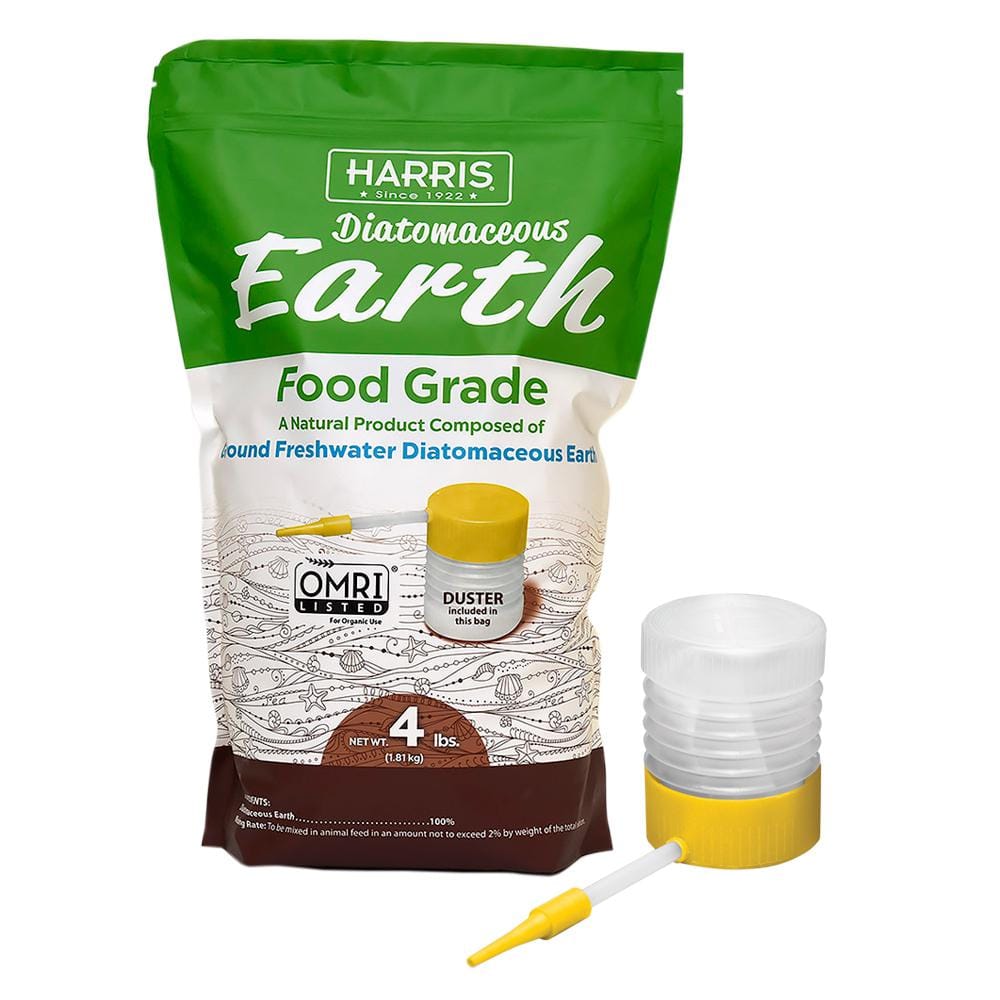
Source: homedepot.com
Monitoring and Measuring Success
Track your progress so you know when to adjust.
- Map ant trails. Snap a quick phone photo before and after.
- Check daily for 3–7 days. Look for less traffic and fewer fresh trails.
- Refresh thin dust layers after cleaning or moisture.
- If activity remains, add or rotate bait types. Sugar baits for sweet-feeding ants; protein baits for grease-loving species.
A simple log helps you see patterns. Small tweaks beat big overhauls.
Source: cascadepest.com
Frequently Asked Questions of will food grade diatomaceous earth kill ants
How long does it take for DE to kill ants?
Most ants die within 24–72 hours after contact. Full trail reduction may take a week, depending on traffic and moisture.
Is food-grade DE safe around pets and kids?
Yes, when used as directed and kept out of the air. Avoid dust clouds, and let areas settle before re-entry.
Can I use DE and ant bait at the same time?
Yes, but do not dust over the bait. Place DE along trails and entry points, and put bait a few inches away.
Will DE kill the ant queen?
Usually not directly. DE is not carried back like bait, so combine it with a slow-acting bait for queen reach.
What happens if DE gets wet?
It loses its drying power. Let it dry fully, then reapply a thin layer for best results.
Can I put DE on my lawn?
Use it sparingly in dry bands around nests or entry points. Broad lawn coverage is wasteful and may affect beneficial insects.
Will food grade DE work on carpenter ants?
It can kill carpenter workers on contact. For nests in wood, pair DE with targeted baits and structural repairs.
Conclusion
Food-grade diatomaceous earth is a smart, low-tox option for ant trails and entry points. It kills by drying out ants, but it needs dry conditions and steady, light application. For stubborn colonies, pair DE with the right bait and seal entry points for lasting relief. If you still ask, will food grade diatomaceous earth kill ants, the answer is yes—especially when you combine it with good habits.
Ready to take action? Dust the key trails, set bait stations, and check progress in a week. Want more step-by-step guides like this? Subscribe for updates or share your results in the comments.