

Most modified food starch is gluten free, but verify labels for wheat sources.
If you live gluten free, you have likely wondered, is modified food starch gluten free in every case? I work with food labels every day,
and I will break it down with clear rules, real examples, and practical tips. By the end, you will understand when modified food starch is safe, when it is risky, and how to choose with confidence.

Source: glutenfreegirl.com
What is modified food starch?
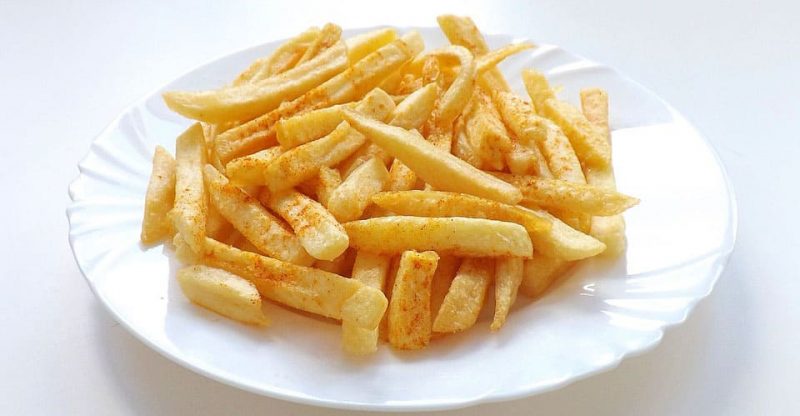
Modified food starch is starch that has been changed to improve texture, stability, or shelf life. The base starch usually comes from corn, potato, tapioca, or wheat. The “modification” can be physical, enzymatic, or chemical, and it does not mean the starch is genetically modified.
Manufacturers use modified starch to thicken soups, keep sauces smooth, and prevent ice crystals in frozen foods. It helps foods hold up during heating, cooling, or freezing. The result is a stable, consistent product you can enjoy.
Source: foodadditives.net
Is modified food starch gluten free? The full answer
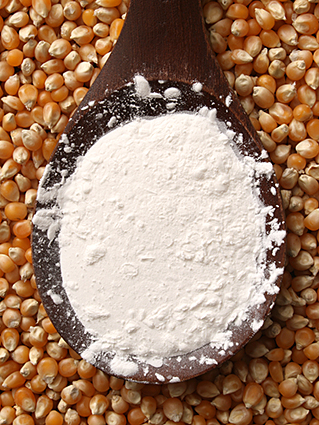
In many products, yes. Most modified food starch in the United States and Canada is made from corn, potato, or tapioca. These sources are naturally gluten free. If wheat is the source, the label must declare wheat as an allergen.
The clear rule of thumb is simple. If you see “wheat” in the allergen statement or in the ingredient list, avoid it unless the product is certified gluten free. If you do not see wheat and the product does not list gluten-containing grains, it is usually safe.
People ask, is modified food starch gluten free, because labels can be vague. But when you know the source and the rules, the choice becomes easy.

Source: amazon.com
How ingredient labeling works by region
Understanding regional rules helps answer, is modified food starch gluten free, when you shop across borders.
- United States. If the starch is from wheat, the label must say wheat in plain language in the ingredient list or in a “Contains: Wheat” statement. If the product is labeled gluten-free, it must test under 20 ppm of gluten. Ingredients derived from wheat may appear if they are processed to remove gluten and the end food is below 20 ppm with a truthful statement.
- Canada. All priority allergens, including wheat, must be declared. If modified starch is from wheat, it will say so. Gluten-free claims must meet strict thresholds.
- European Union and United Kingdom. Wheat must be declared. You may see “wheat starch” and, at times, “gluten-free wheat starch,” which is processed to reduce gluten to below 20 ppm.
- Imports and specialty foods. Some imported items may use wheat-based starch more often. Check labels closely on sauces, noodles, and snack foods.
When you keep these rules in mind, you can answer for yourself, is modified food starch gluten free, in each market with a quick scan.
Source: foodsweeteners.com
Common sources and when to be cautious
Ask two questions: What is the source, and is there any gluten claim? This is how I guide clients and my own family.
- Corn, potato, or tapioca starch. These are safe gluten-free sources. If a label does not name wheat, corn or potato is common in the U.S. market.
- Wheat starch or modified wheat starch. This is not gluten free unless the product is labeled gluten-free and meets the 20 ppm limit. Some gluten-free products may use “gluten-free wheat starch,” which is specially processed.
- Barley or rye derivatives. Modified starch is not commonly made from barley or rye. If present, they must be declared. Avoid if you see them.
- Risky categories. Gravy mixes, instant soups, jarred sauces, and certain snack coatings can use wheat-based starch. Read labels each time, as formulas change.
With this checklist, the question is modified food starch gluten free becomes easier to resolve product by product.

Source: amazon.com
Cross-contact, testing, and certifications
Even when the starch is from a gluten-free source, cross-contact can occur in shared facilities. Most large suppliers manage this risk well, but it is not zero. If you have celiac disease and react to tiny amounts, favor tested and certified products.
- Look for trusted gluten-free certifications. These programs set strict limits and verify suppliers and facilities.
- Check for company allergen controls. Many brands publish their policies. They discuss testing, sanitation, and supplier audits.
- When in doubt, contact the brand. I have reached out to brands for clients. Many offer source details and testing data upon request.
These steps help you answer is modified food starch gluten free beyond the label when sensitivity is high.
Source: hy-vee.com
Practical label-reading tips and shopping examples
Here is how I read a label in under 30 seconds at the store. This routine has saved me many returns.
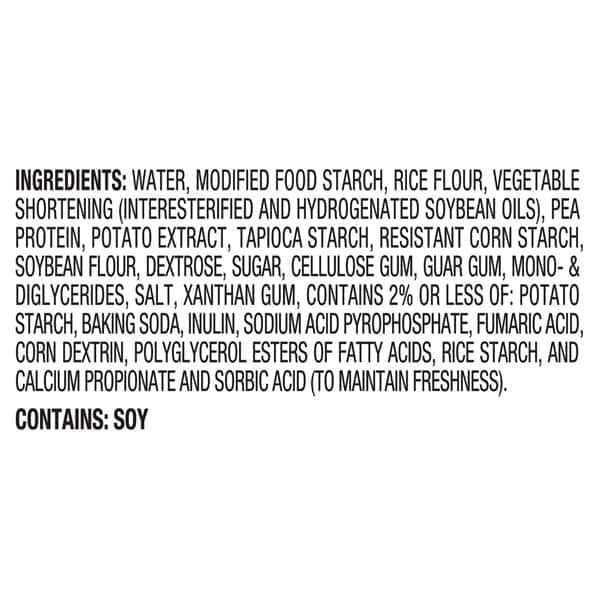
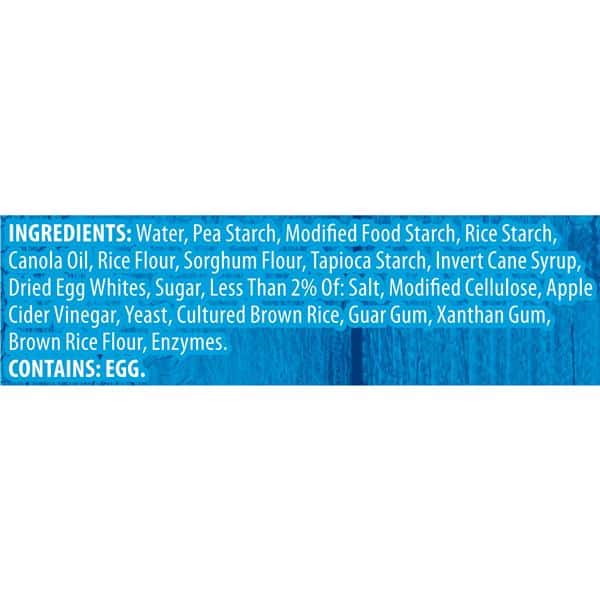
- Scan the allergen statement. If it says Contains: Wheat, put it back unless certified gluten free.
- Read the full ingredient list. Modified food starch without a wheat note is often corn, potato, or tapioca in North America.
- Seek a gluten-free claim. This adds assurance that the full recipe, not only the starch, is below 20 ppm.
- Check product types that change often. Seasonal soups, sauces, and mixes may switch sources.
- Keep a safe list. Note brands that confirm non-wheat sources. It speeds up future trips.
With this quick system, you can answer is modified food starch gluten free on the fly.

Source: amazon.com
Cooking and recipe use at home
If you cook gluten free, you can replace modified starch in many recipes. I have tested these swaps in sauces, gravies, and bakes.
- For thickening sauces. Use cornstarch, potato starch, or tapioca starch. Mix with cold water first for a smooth slurry.
- For freeze–thaw stability. Tapioca starch holds up well in frozen pies and fruit fillings.
- For crisp coatings. Potato starch gives a light, crisp crust on meats or tofu.
- For baking blends. Use a gluten-free flour mix with xanthan gum rather than modified starch if you need structure.
These swaps keep texture close to store-bought options, and they remove the need to ask is modified food starch gluten free for your own dishes.
Source: hy-vee.com
Related ingredients that cause confusion
Several starch-like ingredients raise the same question: is modified food starch gluten free? Here is what to know.
- Maltodextrin. In North America, maltodextrin is typically gluten free, even if derived from wheat, because processing removes proteins. If from wheat, it must declare wheat in many regions.
- Dextrin. Source matters. In the U.S., wheat dextrin must declare wheat. Many dextrins come from corn.
- Glucose syrup. Often gluten free due to high processing. If derived from wheat in the EU, it is subject to specific labeling rules.
- Natural flavors. Usually gluten free, but not always. Contact the brand if the food category is high risk.
Use the same rule set. If wheat is the source, it will be declared in most markets. This helps settle, again, is modified food starch gluten free, and the same logic applies to close cousins.
Source: celiac.com
Frequently Asked Questions of is modified food starch gluten free
Is modified food starch always gluten free?
No. It depends on the source. If it comes from wheat and is not processed to remove gluten, it is not gluten free.
How can I tell if modified food starch is from wheat?
Check the allergen statement and ingredient list. In the U.S., Canada, the EU, and the UK, wheat must be declared.
Can a product use wheat starch and still be labeled gluten free?
Yes, if the wheat starch is processed to remove gluten and the final food tests below 20 ppm. The label must disclose wheat and meet gluten-free rules.
What foods most often use wheat-based modified starch?
Gravies, instant soups, some sauces, and certain snack coatings may use wheat. Read labels on these items every time.
Is modified food starch safe for celiac disease?
It can be safe when sourced from corn, potato, or tapioca and when labels show no wheat. Choose certified gluten-free products if you need extra assurance.
Conclusion
Most shoppers can treat modified food starch as gluten free when the label shows no wheat and the brand is reliable. Use clear steps: check the allergen statement, read the ingredient list, and look for a gluten-free claim when possible.
This simple habit answers the question is modified food starch gluten free every time you shop. Take control of your cart this week. Try the label routine on three pantry items,
note safe brands, and build your own quick-check list. Want more guides like this? Subscribe, share your experiences, or leave a question in the comments.